Summary
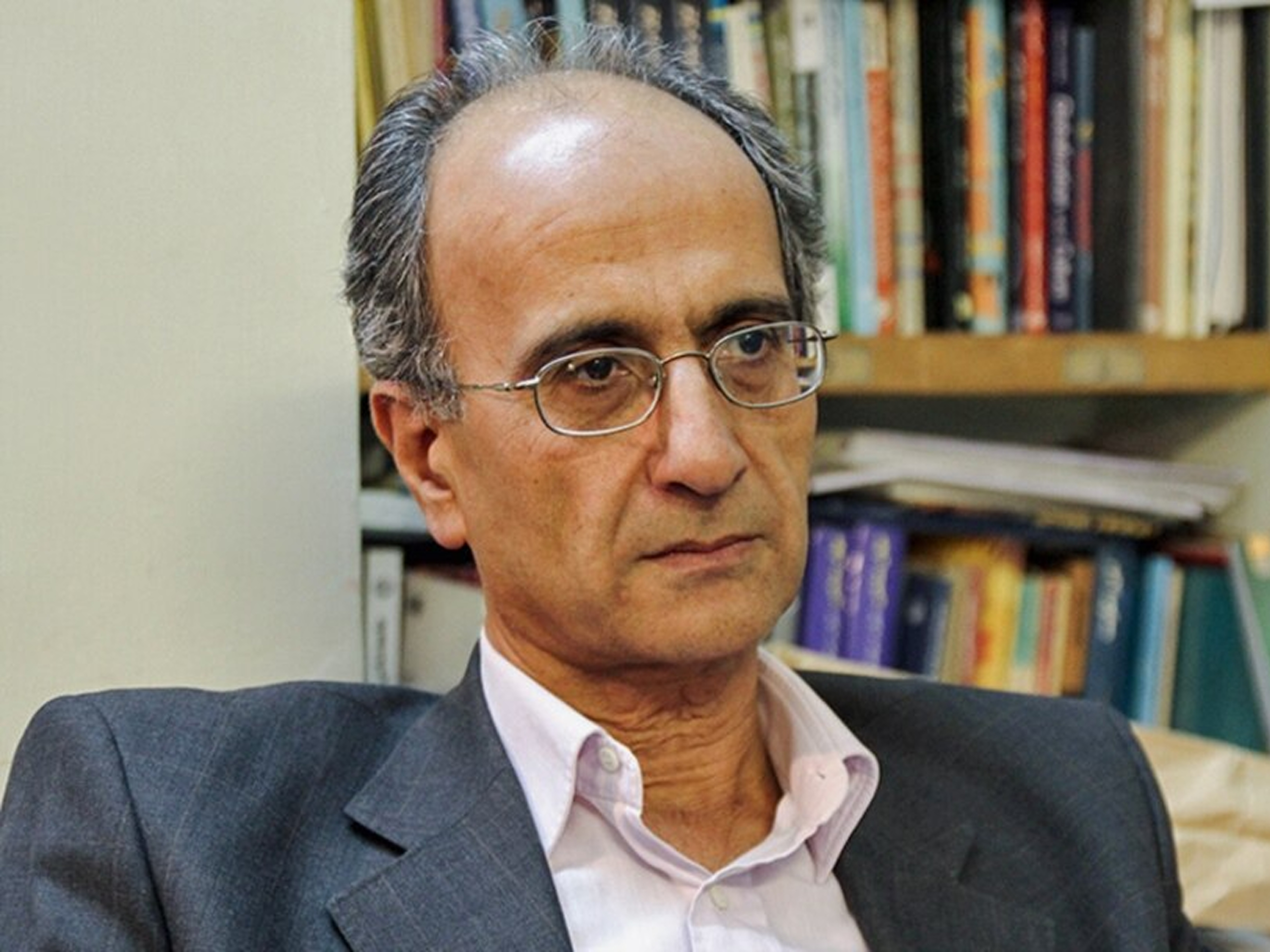
On February 8, 2018, Dr. Kavous Seyed-Emami, a 64-year-old sociology professor and founder of Iran's Persian Wildlife Heritage Foundation, died in Tehran's Evin Prison. Iranian authorities claimed suicide. His family saw evidence of murder. The official narrative began to crumble when leaked audio recordings from within the security establishment revealed a darker truth: Seyed-Emami had refused to provide false confessions implicating Iran's president in espionage and was killed for his defiance. His death marked the culmination of a calculated operation by the Islamic Revolutionary Guard Corps Intelligence Organization to eliminate a group of scientists whose wildlife research had inadvertently documented the environmental devastation caused by military activities. Over the following six years, eight of Seyed-Emami's colleagues endured imprisonment, torture, and sexual abuse while international officials confirmed no evidence of espionage existed. The case illuminates how competing intelligence agencies within the Islamic Republic weaponize charges of treason, how environmental science became a battlefield in factional warfare, and how the regime systematically destroys those who threaten its economic and military interests.
Origins and Trajectory of the Persian Wildlife Heritage Foundation
Kavous Seyed-Emami returned to Iran after the 1979 revolution with credentials that should have secured his standing within the new order. Born in 1953 to a prominent family, he completed his doctorate in sociology at American universities in 1976 before voluntarily fighting in the Iran-Iraq War, where he sustained shrapnel wounds defending Khorramshahr in 1980. Upon recovery, he joined the faculty of Imam Sadiq University, an institution established to train the Islamic Republic's future elite. For years, Seyed-Emami moved comfortably within this system, never engaging in political opposition, focusing instead on academic work and a passion for Iran's vanishing wildlife.
In 2008, Seyed-Emami established the Persian Wildlife Heritage Foundation, a registered non-governmental organization dedicated to conserving Iran's critically endangered species. The foundation operated openly with full legal authorization from the Department of Environment, Ministry of Energy, and received positive coverage from state news agency IRNA. The organization's mandate addressed an ecological emergency: Iran's Asiatic cheetah population had collapsed to fewer than 50 individuals, the last remaining in the world, confined to fragmented desert habitats where roadkill, habitat loss, and human conflict threatened final extinction. The Persian leopard faced similar pressures across the Zagros Mountains and northeastern parks. Over five decades, as Iran's human population tripled from 25 million to over 78 million, biodiversity loss accelerated through desertification, agricultural expansion, and infrastructure development that fragmented animal corridors.
The foundation employed camera traps and field research to monitor these endangered populations, work that required accessing remote protected areas where wildlife still survived. Seyed-Emami assembled a team of accomplished scientists: Houman Jokar led research on Asiatic cheetahs for the International Union for Conservation of Nature; Taher Ghadirian and Amirhossein Khaleghi served on the IUCN Cat Specialist Group; Niloufar Bayani worked as a consultant for UN Environment between 2012 and 2017; and Morad Tahbaz, who held Iranian, American, and British citizenship, contributed expertise in conservation management. The organization partnered with Panthera, a prominent New York-based big cat conservation group, receiving technical assistance and camera equipment for the UN Development Programme-funded Conservation of Asiatic Cheetah Project.
From 2014 onward, the foundation's research began documenting troubling patterns beyond animal populations. Systematic field surveys revealed sudden destruction of underground aquifers, unauthorized deforestation in protected zones, electromagnetic anomalies and radiation signatures near critical habitats, dramatic ecosystem disruptions, and widespread chemical and microbial contamination. These findings pointed toward a single actor with the resources and impunity to operate within supposedly protected territories: the Islamic Revolutionary Guard Corps.
The IRGC, through its engineering arm Khatam al-Anbiya Construction Headquarters, controls most major water infrastructure projects in Iran, operating within what researchers describe as a "water mafia" network that prioritizes profit and military objectives over environmental sustainability. The construction of dams such as Gotvand and Karkheh inflicted irreversible ecological damage across Khuzestan province while inter-basin water transfers diverted resources to military-linked industries. Over 500 plains now suffer groundwater collapse, with some areas experiencing land subsidence exceeding 20 centimeters annually. The environmental scientists found evidence suggesting IRGC missile installations were being constructed within UN-registered protected areas, requiring them to either submit outdated photographs to international bodies or document the military encroachment and face retaliation.
In October 2017, the foundation severed its relationship with Panthera after the organization's billionaire founder Thomas Kaplan delivered a public speech calling for increased sanctions and regime change in Iran while supporting United Against Nuclear Iran, a lobby group whose advisory board included former directors of the CIA and Mossad. Seyed-Emami immediately sent an urgent letter to his board of directors stating, "We recently learned that an individual named Kaplan, apparently among the leaders of Panthera, encourages the American government to increase sanctions, cancel the nuclear deal, and so forth. We absolutely do not want to mix politics with environmental work. We are forced to completely set aside Panthera, which until now we recognized as an international environmental protection organization". The formal termination of partnership was documented and communicated to relevant authorities. This prophylactic measure would prove insufficient.
The Machinery of Arrest and Interrogation
Between January 24 and 25, 2018, agents from the Intelligence Organization of the Islamic Revolutionary Guard Corps arrested nine members of the Persian Wildlife Heritage Foundation in coordinated operations across Iran. Those detained included Seyed-Emami, Morad Tahbaz, Niloufar Bayani, Houman Jokar, Taher Ghadirian, Sam Rajabi, Sepideh Kashani, Amirhossein Khaleghi, and Abdolreza Kouhpayeh. Tehran prosecutor Abbas Jafari-Dolatabadi announced the arrests, claiming the scientists had installed cameras at strategic locations to monitor missile activities and transmit information to foreign intelligence services.
The IRGC Intelligence Organization, established in 2009 on the direct order of Supreme Leader Ali Khamenei, operates parallel to the Ministry of Intelligence with overlapping jurisdiction but answering exclusively to Khamenei rather than the president. This structural redundancy generates persistent bureaucratic conflict, particularly when the IRGC pursues cases the Ministry of Intelligence considers unwarranted. Under Iranian law, the Ministry of Intelligence serves as the designated authority for counterintelligence operations, yet the IRGC Intelligence Organization has systematically expanded its portfolio, conducting arrests, interrogations, and trials through Revolutionary Courts with minimal oversight.
The environmentalists were transferred to Ward 209 and Ward 2-A of Evin Prison, sections controlled directly by intelligence agencies where detainees face prolonged solitary confinement, a practice human rights organizations classify as torture under international law. Niloufar Bayani later documented that she endured 1,200 hours of interrogation over eight months in complete isolation, during which male interrogators conducted sessions lasting nine to twelve hours daily while she remained blindfolded. The interrogation protocols systematically violated Iranian criminal procedure codes: detainees were denied access to lawyers of their choice, held incommunicado from family members, and subjected to tactics explicitly prohibited under Articles 38, 60, and 195 of the Code of Criminal Procedure.
Physical violence formed a component of the coercion system. Houman Jokar was beaten so severely during one interrogation session that his head was broken and his glasses were smashed into his face, causing facial lacerations and significant bleeding. Guards then paraded him in front of his wife, Sepideh Kashani, covered in blood as a psychological pressure tactic. Interrogators showed Morad Tahbaz secretly filmed footage of his daughter Tara at a café in New York and explicitly threatened to kill her if he refused to sign prepared confessions. They also contacted Tara directly with threats. Sepideh Kashani was subjected to torture by proxy: her sister was arrested and interrogated while wearing a prison uniform solely so footage could be shown to Kashani during her own interrogation sessions.
Niloufar Bayani's detailed letters, smuggled from Evin Prison in February 2020 and published by BBC Persian, describe systematic sexual violence and threats. She documented being taken to a luxury villa in Lavasan, northern Tehran, where seven armed men forced her to watch while they stripped and swam in a private pool, making sexually explicit comments and attempting to coerce her into joining them. Her primary interrogator made escalating sexual advances during sessions in dark passages and detention yards. "I was increasingly terrified that if I didn't write whatever he wanted, he would violently sexually assault me," she wrote. "Because of his inexplicable sudden appearances and disgusting behavior in various places, I didn't feel safe anywhere. Intolerable anxiety never ceased". Interrogators repeatedly made detailed sexual insults and demanded she complete their sexual fantasies during prolonged sessions. They threatened to inject her with paralyzing or lethal substances, showed her photographs of torture devices, and played audio recordings of torture sessions for hours. On multiple occasions, they displayed images of Kavous Seyed-Emami's corpse while warning, "That's going to be your fate and the fate of all of your colleagues and family members unless you write whatever we want".
In her letters to judiciary chief Sadegh Larijani and Supreme Leader Ali Khamenei, Bayani stated that IRGC intelligence agents explicitly told her "they would punch the judge's mouth if he read a verdict in court other than what the IRGC had determined in advance". When she attempted to report the sexual harassment and torture to prison authorities, the abuse intensified as punishment for speaking. An interrogator dressed as a cleric claimed to have authorization from IRGC Intelligence Organization chief Hossein Taeb to conduct torture, threatening her with 50 to 70 lashes and at one point throwing a chair that injured her knee.
The pattern of abuse documented in this case aligns with systematic practices within Iran's intelligence detention facilities. Testimonies from political prisoners across multiple cases describe prolonged interrogation sessions, sensory deprivation through continuous white lighting and isolation, threats against family members, forced confessions through physical and psychological torture, sexual humiliation particularly of female detainees, and complete denial of legal representation during interrogation phases.
The Death of Kavous Seyed-Emami
On February 8, 2018, less than two weeks after his arrest, authorities informed Seyed-Emami's family that he had committed suicide in his cell at Evin Prison. Judiciary spokesman Gholamhossein Esmaili stated that Seyed-Emami killed himself "because he knew that many had made confessions against him and because of his own confessions". IRGC-linked Fars News Agency immediately published details of the alleged suicide, claiming the family had confirmed it and asserting that closed-circuit television footage captured the act. Tasnim News Agency, also affiliated with the IRGC, published an interview supposedly conducted with Seyed-Emami's brother supporting the suicide narrative.
Seyed-Emami's son Ramin immediately refuted these reports on social media, stating that no family member had given any such interview and that the published accounts were "completely false". When permitted to view selected CCTV footage, family members saw Seyed-Emami pacing nervously in his cell for seven hours, followed by footage showing his lifeless body being removed, with no intermediate recording of any suicide attempt. Authorities denied the family's formal request to inspect the cell where the death occurred. The body was released only under the condition that the family not conduct an independent autopsy, and burial took place on February 24, 2018, under heavy security restrictions with prohibition of any memorial gathering.
Payam Derafshan, the family's attorney who examined the preliminary forensic medical report, revealed that bruising was observed on multiple areas of Seyed-Emami's body, along with evidence of injection marks beneath the skin. The official report noted "bruising caused by pressure from a foreign object" around the neck, but the precise cause of death was never definitively stated in publicly released documents. These forensic findings are inconsistent with suicide by hanging, particularly the injection marks and widespread bruising, suggesting instead death under physical duress followed by staging.
The suicide claim began to disintegrate when audio recordings from Mohammad Hossein Rostami, former director of the conservative website Ammariyoun, were leaked from prison. Rostami himself had been arrested in 2016 by IRGC Intelligence on espionage charges after refusing to cooperate with the organization, despite his hardline ideological alignment. In the recordings, Rostami stated that Seyed-Emami spoke with him on the final night before being moved to solitary confinement. According to Rostami's account, Seyed-Emami revealed that IRGC interrogators demanded he provide a forced confession stating that the Persian Wildlife Heritage Foundation operated under the indirect management and direction of senior Rouhani administration officials, including presidential advisor Hesamedin Ashena, Environment Vice President Isa Kalantari, Akbar Torkan, former president Akbar Hashemi Rafsanjani (who had died in 2017), and President Hassan Rouhani himself. The confession was to assert that these officials directed the environmental work under guidance from the CIA, Mossad, and British intelligence services.
Seyed-Emami, according to Rostami, categorically refused to sign this fabricated statement. "Since Seyed-Emami did not submit to this nonsense, they sent him to solitary confinement, and from there, let us not speak of what happened," Rostami stated in the audio file. The recording included Rostami's plea to media outlets to disseminate the information, expressing concern for Seyed-Emami's widow and children who were still in Iran at the time of the recording.
Rostami's allegations gained credibility from his own position as an insider. He accused IRGC Intelligence chief Hossein Taeb directly of corruption and of fabricating espionage charges as retaliation because Rostami possessed information about Taeb's financial malfeasance and security breaches. Another conservative journalist imprisoned on similar charges, Reza Golpour, corroborated aspects of Taeb's corruption, and audio leaks from discussions among IRGC officials revealed Taeb's efforts to obstruct investigations into Yas Holding, a front company linked to Parliament Speaker Mohammad Bagher Ghalibaf's corruption network involving approximately $3 billion in embezzled funds.
Hardline ideologue Reza Raefipour, speaking to audiences of regime loyalists a year after Seyed-Emami's death, described what he characterized as a "professional suicide" that sent a signal to an espionage network that they had been exposed. His detailed speeches supporting the IRGC narrative revealed the sophistication of the operation, acknowledging that Seyed-Emami possessed such composure that even while ostensibly attempting suicide, he methodically washed his hands and dried them with a towel before the alleged hanging, behavior Raefipour himself noted as incongruous with someone in suicidal distress.
The circumstances surrounding the death bear all forensic and contextual hallmarks of an extrajudicial killing followed by staged suicide: the refusal to provide false testimony against senior government officials, the immediate transfer to solitary confinement, the absence of video documentation of the actual act despite pervasive surveillance, the presence of injection marks and widespread bruising inconsistent with hanging, the denial of independent autopsy and cell inspection, and the coordinated media campaign through IRGC-affiliated outlets to establish the suicide narrative before the family could contest it.
Two Intelligence Agencies, One Case
The environmentalists case crystallized a long-standing power struggle between the Ministry of Intelligence, which reports to the president, and the IRGC Intelligence Organization, which answers only to the Supreme Leader. This structural rivalry traces to the IRGC Intelligence Organization's formal establishment in 2009, when Khamenei consolidated intelligence functions that had previously fallen under Ministry of Intelligence jurisdiction. The redundancy was deliberate, creating parallel channels of control to prevent any single institutional power base from threatening the Supreme Leader's authority, but the arrangement generated constant jurisdictional disputes.
Intelligence Minister Mahmoud Alavi, serving in Hassan Rouhani's administration, conducted his ministry's investigation of the detained environmentalists and reached an unambiguous conclusion. "The Intelligence Ministry has concluded that there is no evidence that these individuals were spies," he stated publicly in May 2018. Vice President and Environment Department head Isa Kalantari reinforced this finding, announcing that a special government fact-finding committee composed of the ministers of interior, intelligence, and justice, as well as the vice president for legal affairs, determined "these individuals were detained without doing anything". Kalantari specifically addressed the alleged espionage equipment, stating that the camera traps used for wildlife monitoring functioned effectively only within a 20-meter radius and "cannot even distinguish between a camel and a cheetah," making them useless for photographing distant military installations.
Tehran Prosecutor Abbas Jafari-Dolatabadi, aligned with the IRGC position, attacked Kalantari for these statements, insisting that the committee "does not have access to the contents of this case" and therefore neither the committee nor Kalantari had "any right to comment and interfere in this case". The prosecutor's rebuke embodied the core tension: the IRGC Intelligence Organization does not recognize the Ministry of Intelligence as the sole legitimate counterintelligence authority despite statutory law designating it as such, and judiciary officials appointed by the Supreme Leader defer to IRGC determinations regardless of evidence.
Parliamentary representative Ali Motahari, speaking after meeting with IRGC Intelligence officials about Seyed-Emami's death, obliquely acknowledged the jurisdictional problem: "Combating espionage is the specialized work of the Ministry of Intelligence, and it is better that these two organizations not interfere in each other's work". He made this statement while defending the IRGC's version of events, illustrating the political impossibility of directly challenging the organization even when its overreach was apparent.
The opposition news outlet Kalame published a report in April 2018 citing sources who described the underlying conflict that precipitated the arrests. According to this account, the environmental groups had opposed IRGC construction of missile installations within protected areas registered with the United Nations as conservation zones. The IRGC demanded that environmental organizations submit outdated photographs in their annual reports to UN bodies rather than current documentation showing the military encroachment. When the environmental scientists resisted this demand and continued documenting actual conditions, the IRGC Intelligence Organization used espionage charges as a pretext to arrest them and eliminate the opposition to military activities in protected regions.
This explanation aligns with documented patterns of IRGC resource exploitation. The organization's engineering conglomerate has constructed installations in mountainous regions ideal for concealing missile sites, including the Zagros range with its limestone and sedimentary formations, the Alborz range where the Fordow nuclear facility sits beneath 100 meters of rock, and the Karkas Mountains near Natanz. These locations overlap with critical wildlife corridors and protected areas that the environmental scientists were mandated to monitor. Camera traps positioned to track endangered Persian leopards and Asiatic cheetahs would necessarily document the same terrain where the IRGC was constructing concealed military facilities, creating an untenable operational security problem from the IRGC's perspective.
The Ministry of Intelligence's exoneration of the environmentalists represented more than a factual determination. It constituted a challenge to the IRGC's expanding extrajudicial authority and its practice of criminalizing civilian activities that conflicted with military and economic interests. The IRGC's response, maintaining charges and proceeding to sentencing despite the absence of evidence, demonstrated which institution held ultimate power in the judicial process.
Trial, Conviction, and the Mechanisms of Predetermined Verdicts
The prosecution of the detained environmentalists proceeded through Iran's Islamic Revolutionary Courts, special tribunals established after the 1979 revolution to handle cases designated as threats to national security. These courts operate with severely limited due process protections: trials are conducted behind closed doors without public oversight, defendants may be denied access to counsel of their choice under Article 48 of the criminal procedure code, judges accept coerced confessions as evidence despite Article 38 prohibiting their use, and verdicts are often determined by security agencies before proceedings commence.
The charges against the environmentalists evolved across three distinct phases, revealing the arbitrary nature of the prosecution. Initial indictments accused them of "corruption on earth" (efsad-e fel-arz), a capital offense under Islamic law. During trial proceedings, charges shifted to espionage. The final verdicts, issued by Branch 15 of the Revolutionary Court in Tehran, convicted the defendants of "cooperation with a hostile government," a lesser charge than espionage but still carrying substantial prison terms. This charge modification occurred without any change in the underlying facts, suggesting prosecutors adjusted the legal theory to ensure convictions while avoiding the death penalty that would have attracted greater international scrutiny.
In February 2020, the Revolutionary Court issued sentences ranging from four to ten years in prison. Morad Tahbaz and Niloufar Bayani each received ten years, the maximum under the amended charges. Houman Jokar and Taher Ghadirian received eight years, Sam Rajabi, Sepideh Kashani, and Amirhossein Khaleghi received six years, and Abdolreza Kouhpayeh received four years. All were additionally ordered to return funds that authorities claimed they had received from the United States government for their services, despite no evidence of such payments being presented.
Niloufar Bayani's letters documented the judicial fiction underlying these verdicts. She wrote that Branch 15 judge explicitly stated that military reports supporting the charges were "so secret that neither the accused, nor the lawyer, nor even the judge himself, had permission to view" them. The judge was therefore rendering verdicts based on classified evidence he himself had not examined, relying instead on IRGC representations. Bayani attempted to retract her coerced confessions when brought before prosecutor Abbas Jafari-Dolatabadi in September 2018, explaining they were obtained through torture and intimidation and were entirely false. The prosecutor rejected the retraction, insisting she was not permitted to withdraw confessions regardless of the circumstances under which they were obtained.
The legal fiction of "posheshi" or "cover activity" appeared repeatedly in the charging documents and verdict. Prosecutors asserted that legitimate conservation work served as cover for espionage operations but never specified what the supposed real activity was. Morad Tahbaz's indictment cited as evidence that he played golf with an Israeli national in a third country, an act not criminal under Iranian law but characterized as "cover" for unspecified intelligence activities. The Persian Wildlife Heritage Foundation's collaboration with Panthera was described as cover, despite the partnership's termination four months before the arrests and the public documentation of that termination.
This rhetorical device, labeling lawful activity as "cover" without proving any underlying crime, effectively criminalized any behavior the IRGC Intelligence Organization deemed suspicious. It inverted the burden of proof: rather than prosecutors demonstrating criminal conduct, defendants were required to prove the absence of hidden intentions, an epistemological impossibility.
The trials proceeded entirely in the absence of meaningful legal representation. While Iranian law technically guarantees access to counsel, Article 48 restricts defendants in national security cases to attorneys from a judiciary-approved list, and even these approved lawyers report being excluded from critical phases of interrogation and investigation. None of the detained environmentalists had access to legal counsel during the initial eight-month interrogation period when confessions were extracted under torture, rendering any such statements inadmissible under both Iranian and international law, yet these confessions formed the evidentiary basis for convictions.
Systemic Corruption and the Dismissal of Hossein Taeb
The environmental scientists' prosecution unfolded against a backdrop of deepening corruption within the IRGC Intelligence Organization itself, centered on its longtime chief Hossein Taeb. A mid-ranking cleric who had served in Khamenei's office before his 2009 appointment, Taeb built an intelligence apparatus characterized by ideological rigidity, operational failures, and systematic financial malfeasance.
Audio recordings leaked in February 2022 captured conversations among IRGC officials discussing Taeb's obstruction of corruption investigations. The recordings revealed that Taeb had actively stalled inquiries into Yas Holding, a front company controlled by the IRGC Cooperative Foundation that embezzled approximately $3 billion, protecting Parliament Speaker Mohammad Bagher Ghalibaf, who was implicated in the fraud. IRGC commander Mohammad Ali Jafari clashed with Taeb over the bankruptcy of IRGC credit unions and cooperatives, all linked to corruption files that Taeb helped conceal.
In June 2022, the IRGC announced Taeb's removal from the Intelligence Organization after thirteen years, ostensibly reassigning him as an advisor to IRGC Commander-in-Chief Hossein Salami. The dismissal followed a series of high-profile security breaches and intelligence failures, including the assassination of Iranian nuclear scientists and the apparent penetration of IRGC networks by Israeli intelligence. Analysts also noted that Taeb faced opposition from Intelligence Minister Esmail Khatib and Quds Force commander Esmail Qaani, both of whom sought his removal.
Taeb's tenure demonstrated the intersection of ideological enforcement and criminal enterprise within the intelligence apparatus. Mohammad Hossein Rostami and Reza Golpour, both conservative journalists imprisoned on espionage charges, directly accused Taeb of fabricating cases against them because they possessed information about his corruption and were unwilling to remain silent. Rather than address the corruption allegations, Taeb used the intelligence apparatus to criminalize the accusers, a pattern replicated in the environmental scientists' case.
The systemic corruption extended into supposedly law enforcement functions. In 2022, judicial documents revealed that senior IRGC Intelligence interrogators Mehdi Hajipour and Mehdi Badi embezzled approximately $21 million in cryptocurrency while ostensibly investigating a financial fraud case. The interrogators confiscated digital assets from detained suspects, sold them through personal wallets, and pocketed the proceeds. Four other IRGC Intelligence officers assisted by forging documents. The convicted cryptocurrency exchange CEO was sentenced to 15 years in prison for embezzlement that was in fact committed by his interrogators, and he fled the country under pressure from those same intelligence officers.
This documented pattern of IRGC Intelligence officials fabricating charges to cover their own crimes or advance institutional interests provides essential context for evaluating the environmental scientists' prosecution. The organization demonstrated consistent willingness to imprison, torture, and even kill individuals who posed obstacles to its objectives, whether those individuals were opposition activists, independent journalists, or scientists whose research findings threatened military and economic operations.
International Response and Diplomatic Failure
United Nations human rights experts responded to Seyed-Emami's death with unusually direct language. "Mr Emami's death is extremely disturbing. Not only was he arrested on flimsy charges, but his death in custody strongly suggests foul play," they stated in February 2018, calling for an urgent, impartial, and effective investigation. The experts emphasized that "nowhere in the world, including Iran, should conservation be equated to spying or regarded as a crime. Detention of human rights defenders for their work is arbitrary in nature".
Canada's Foreign Minister Chrystia Freeland, noting Seyed-Emami's Canadian citizenship, offered condolences and stated that Canada expected "the Government of Iran to provide information and answers into the circumstances surrounding this tragedy". The Canadian government facilitated the return of Seyed-Emami's sons to Canada in March 2018 and called for lifting the travel ban on his widow Maryam Mombeini. Iranian authorities ignored these requests.
Amnesty International documented the torture allegations and called for the environmentalists' release, noting that they were being punished for "their work to conserve and protect the natural environment" and that trials lacked basic fairness guarantees. Human Rights Watch, the Center for Human Rights in Iran, and other organizations issued similar statements, all of which Iranian authorities dismissed as foreign interference.
The broader international response remained muted by geopolitical calculations. The arrests occurred during a period when European governments sought to preserve the 2015 nuclear agreement following the United States' withdrawal. Commercial interests in potential trade with Iran, particularly after years of sanctions, created incentives for diplomatic restraint. The detained environmentalists became secondary considerations in larger strategic frameworks.
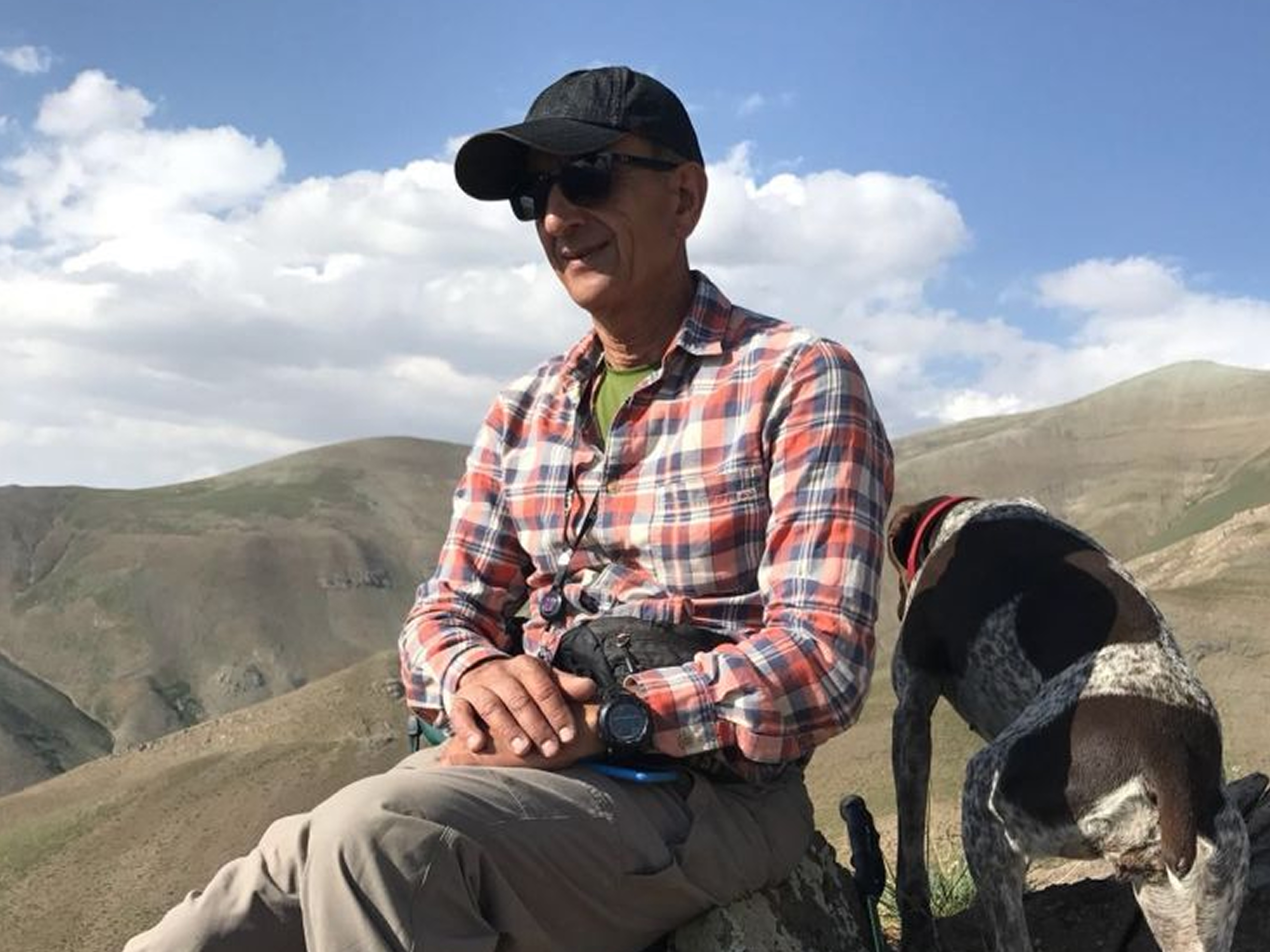
Morad Tahbaz's multiple citizenships exemplified the diplomatic limitations. Despite holding British and American citizenship in addition to Iranian nationality, Tahbaz remained imprisoned for five years after his arrest. Iran does not recognize dual citizenship, treating all individuals with Iranian heritage as Iranian nationals regardless of other passports, effectively nullifying consular assistance. In September 2023, Tahbaz was finally released as part of a broader prisoner exchange in which the United States agreed to transfer $6 billion in frozen Iranian oil revenues to restricted accounts in Qatar for humanitarian purchases and granted clemency to five Iranians imprisoned on sanctions violations. The swap demonstrated that securing Tahbaz's freedom required not diplomatic pressure but a transactional arrangement completely unrelated to the merits of his case.
The remaining detained environmentalists, all sole Iranian nationals without leverage for diplomatic intervention, served their full sentences. Niloufar Bayani, Sepideh Kashani, Taher Ghadirian, and Houman Jokar were released in April 2024 after more than six years in prison. Amirhossein Khaleghi and Sam Rajabi had been released earlier upon completion of their terms.
No Iranian official has been held accountable for the torture, sexual abuse, or killing documented in this case. The judiciary never provided the autopsy results, video evidence, or medical files that would clarify the circumstances of Seyed-Emami's death. The audio recordings of interrogations and medical documentation of torture that Niloufar Bayani requested be made public were never released. The IRGC Intelligence Organization continues to operate with the same authorities and impunity it possessed before these events.
Environmental Crisis as Context and Pretext
The environmental devastation that initially motivated the Persian Wildlife Heritage Foundation's research has accelerated in the years since its members' arrest. Iran now faces what experts term "water bankruptcy," with demand for water exceeding renewable supplies by massive margins. Over 500 plains suffer groundwater collapse and land subsidence, some sinking more than 20 centimeters annually as aquifers are depleted. Nineteen major dams approached total depletion in 2025, with three reservoirs completely dry. Tehran's water reserves have fallen to 258 million cubic meters, less than one-third of the capital's annual needs, placing the city at risk of "Day Zero" water exhaustion.
The IRGC's economic conglomerate Khatam al-Anbiya Construction Headquarters controls most national water projects and large-scale infrastructure development. Dam construction proceeded without environmental impact assessment, inter-basin water transfers directed resources to military-linked industries, and wetlands were destroyed through extraction and diversion. The Gotvand Dam, acknowledged by the Department of Environment as a "strategic mistake," salinized the Karun River and devastated Khuzestan province's agriculture and drinking water, yet officials stated that destruction of the dam itself is the only solution to restore the river.
Deforestation accelerated across the ecologically rich Zagros oak woodlands, with approximately one million hectares lost over a decade to climate change exacerbated by poor management. Eighteen wetlands are completely dried, and 24 more are in critical condition, threatening migratory bird populations and ecosystem services. The Asiatic cheetah population has collapsed to just 12 to 17 individuals as of 2025, down from approximately 50 at the time of the environmentalists' arrest, with 70 percent of deaths caused by vehicle strikes on roads fragmenting their habitat. The species faces imminent extinction.
This environmental catastrophe, driven substantially by IRGC economic activities and resource extraction, created the conditions that brought environmental scientists into conflict with the security establishment. The Persian Wildlife Heritage Foundation's documentation of ecosystem destruction, radiation signatures near protected habitats, unauthorized military construction in conservation zones, and systematic degradation of aquifers and forests represented an evidentiary record of institutional misconduct. The IRGC's response was to eliminate the documentation by eliminating the documenters.
Kaveh Madani, the Western-educated water management expert who served as deputy head of the Department of Environment under Rouhani, experienced similar targeting after returning to Iran in 2016 with the intention of addressing the water crisis. Arrested by IRGC Intelligence in early 2018 during the same period as the environmental activists, Madani faced accusations in hardline media outlets of espionage based on his past academic appointments in the United States. After his release and immediate resignation in April 2018, he left Iran permanently, stating he had been under state surveillance from the moment of his return and recognized that the IRGC sought to build a criminal case against him for opposing its water management programs.
The systematic suppression of environmental science and scientists serves multiple functions for the IRGC: it eliminates oversight of resource extraction and environmental crimes generating enormous profits for regime-connected entities; it prevents documentation that could support legal challenges to military activities in protected areas; it intimidates the broader civil society and NGO sector, demonstrating the futility of operating within legal frameworks when those activities threaten powerful interests; and it provides test cases for refining interrogation, forced confession, and judicial procedures that can be applied to other categories of dissidents.
Meaning and Mechanisms of State Violence
The killing of Kavous Seyed-Emami and the systematic torture of his colleagues illuminate essential features of how the Islamic Republic exercises power. First, the case demonstrates that technical expertise and ideological loyalty provide no protection when institutional interests are threatened. Seyed-Emami fought in the Iran-Iraq War, taught at Imam Sadiq University, never engaged in political opposition, and operated his environmental organization with full legal authorization. These credentials proved meaningless once his work documented inconvenient facts about IRGC environmental destruction and military installations in protected areas.
Second, the parallel intelligence apparatus structure creates zones of unaccountability where neither institution can effectively constrain the other. The Ministry of Intelligence's determination that no espionage occurred carried no binding authority over the IRGC Intelligence Organization or the judiciary. This arrangement ensures that any challenge to the Supreme Leader's direct control through IRGC institutions can be overridden regardless of evidence, law, or presidential authority.
Third, the Revolutionary Court system functions as a mechanism for converting security agency accusations into judicial verdicts without meaningful review. Judges explicitly acknowledged they had not examined the classified evidence supposedly supporting charges, yet rendered convictions based on interrogators' representations. The requirement that defendants in national security cases select lawyers from judiciary-approved lists ensures that even nominal legal representation cannot effectively challenge the prosecution narrative.
Fourth, torture serves not merely to extract false confessions but to destroy the capacity for resistance and to communicate the totality of the state's power over the individual. Niloufar Bayani's documentation of 1,200 hours of interrogation, sexual threats, mock injections, forced observation of interrogators' swimming and nudity, and displays of Seyed-Emami's corpse demonstrates a calculated program to annihilate psychological defenses and establish that no protection exists, legal or otherwise. The targeting of family members, including Tahbaz's daughter in New York and the arrest of Kashani's sister for interrogation footage, extends the zone of terror beyond the prison walls.
Fifth, the killing of Seyed-Emami specifically functioned as a demonstration of ultimate power and a warning to others in the case. Interrogators showed his corpse to other detained environmentalists with the explicit statement, "This is the fate that awaits all of you". This use of murder as an object lesson in interrogation exemplifies the systematic nature of the violence. Seyed-Emami's death was not an isolated incident or an interrogation gone wrong but rather an operational decision within a broader coercion strategy.
Sixth, impunity is structural rather than incidental. No investigation occurred into Seyed-Emami's death despite forensic evidence of homicide. No interrogator faced disciplinary action for torture or sexual abuse despite detailed documentation. No IRGC officer was held accountable for fabricating evidence or obstruction of justice. This is not a failure of the system but its designed outcome. The absence of accountability for security forces operates as official policy, enabling the continued use of extrajudicial killing, torture, and arbitrary detention as standard enforcement tools.
Finally, the case demonstrates the evolution of repression in the Islamic Republic from revolutionary tribunals executing thousands in the immediate post-1979 period to a more sophisticated apparatus that achieves similar results through extended psychological destruction, forced confessions broadcast on state media, lengthy prison sentences in closed trials, and selective killing masked as suicide or accident. The system has learned to accomplish the same suppression of dissent with methods that generate less immediate international condemnation while maintaining the same level of control and terror domestically.
Science, Power, and the Architecture of Silencing
The imprisonment of Iran's environmental scientists and the killing of Kavous Seyed-Emami crystallize the mechanisms through which the Islamic Republic eliminates challenges to institutional power. What began as wildlife conservation research became a capital offense not because the scientists engaged in espionage, a claim even the government's own Intelligence Ministry rejected, but because their documentation of environmental destruction threatened military and economic interests controlled by the Islamic Revolutionary Guard Corps.
The IRGC Intelligence Organization manufactured espionage charges to accomplish several objectives simultaneously: silencing scientists whose research exposed ecological crimes and unauthorized military construction; extracting false confessions implicating rival government officials in espionage to undermine the Rouhani administration; testing enhanced interrogation and torture techniques, particularly sexual violence against female detainees; demonstrating the futility of operating within legal frameworks when such activity conflicts with IRGC interests; and reinforcing the organization's expanding authority over domestic security regardless of Ministry of Intelligence findings or presidential oversight.
Seyed-Emami's murder exemplifies the operational logic. Faced with a detainee who refused to provide fabricated testimony against senior government figures, interrogators killed him and staged a suicide. The forensic evidence contradicts the official narrative, leaked audio from within the security establishment confirms the motive, and authorities denied every request for independent investigation while suppressing autopsy results and surveillance footage. The message was not subtle: no combination of credentials, loyalty to the system, or legal compliance provides protection when powerful institutions determine you are an obstacle.
The systematic torture of the surviving detainees over six years, including prolonged isolation, sexual violence, threats against family members, beatings, and psychological abuse designed to extract coerced confessions, demonstrates that these techniques constitute standard practice rather than aberration. Judicial proceedings served merely to formalize verdicts predetermined by interrogators, with judges explicitly acknowledging they had not examined evidence yet convicting based on security agency representations.
Iran's environmental crisis accelerates as the scientists who attempted to document it remain imprisoned or silent. The Asiatic cheetah population has collapsed toward extinction, aquifers are depleted, wetlands have dried, and IRGC-controlled construction continues without environmental oversight. The elimination of the Persian Wildlife Heritage Foundation achieved its intended effect: no equivalent organization has emerged to replace it, and the broader NGO sector understands that legal authorization and government cooperation provide no security against arbitrary arrest and torture if work produces inconvenient findings.
Internationally, the case demonstrated the limits of diplomatic pressure and human rights advocacy when governments prioritize other strategic interests. Years of statements from UN experts, foreign ministries, and human rights organizations produced no investigation and no accountability. Only transactional prisoner exchanges negotiated at the highest levels secured the release of dual nationals, leaving solely Iranian citizens to serve full sentences.
The power structure revealed in this case operates beyond the environmental sector. The same Intelligence Organization that killed Seyed-Emami and tortured his colleagues conducts operations against labor activists, journalists, ethnic minorities, dual nationals, and any category of person whose activities challenge or expose regime conduct. The same Revolutionary Courts that convicted scientists on fabricated espionage charges sentence protesters to death in closed trials lasting hours with no meaningful legal representation. The same impunity that protected interrogators who sexually abused Niloufar Bayani extends to all security forces engaged in repression.
What distinguishes the environmental scientists' case is not the brutality, which is consistent with documented practice across the Iranian security apparatus, but rather the target selection. These were not opposition activists or regime opponents but scientists working within legal frameworks, with government authorization, addressing ecological emergencies threatening the nation's survival. Their persecution illustrates that the security state recognizes no distinction between dissent and documentation, between opposition and inconvenient truth. Any information that threatens institutional interests becomes grounds for criminalization, regardless of its source or accuracy.
The death of Kavous Seyed-Emami and the imprisonment of Iran's environmentalists represents more than a human rights violation or miscarriage of justice. It exemplifies a governing logic in which power operates through the systematic elimination of those who might constrain or expose it, whether through political organizing, investigative journalism, legal advocacy, or scientific research. The architects of this system understand that sustainable environmental management, like rule of law or civilian oversight, would necessarily limit the extractive activities and military operations generating wealth and power for the IRGC and connected entities. Rather than accept such constraints, they eliminate the constraint mechanisms themselves.
In that sense, the environmental scientists posed a fundamental threat precisely because they were not political. They represented the possibility of technical expertise operating independently of power, of civil society documenting reality regardless of its implications for military and economic interests, of legal frameworks constraining institutional behavior. Their destruction serves as instruction: there is no space for such independence, no protection in political neutrality or legal compliance, no authority higher than the security apparatus. Science, like justice, operates at the pleasure of power and ceases when power determines otherwise. The dead scientist and his imprisoned colleagues learned this through methods designed to ensure no one would dare repeat the lesson.