


The Sultan of Forex: How a Fifth-Grade Scammer Looted Iran's Banking System
A barely literate merchant received nearly $500 million in subsidized currency, never imported anything.
|
Pars Barghandan
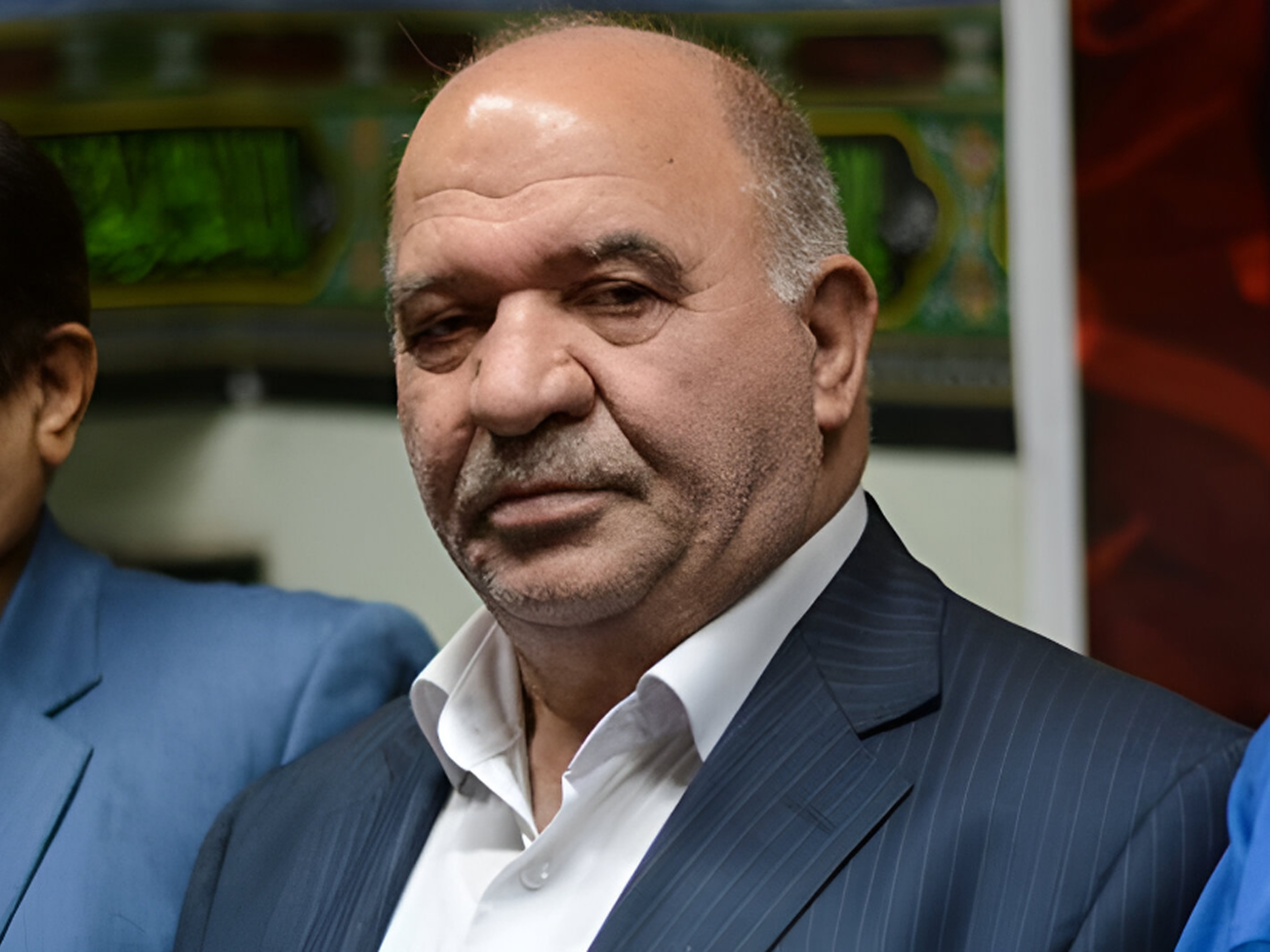
Ghorbanali Farrokhzad, widely known as "Mash Ghorbon Ali," stands as one of the most brazen economic criminals sheltered by the Islamic Republic. An elderly man with no more than a fifth-grade education, Farrokhzad defrauded Iran's banking system of close to half a billion dollars in subsidized foreign currency between 2015 and 2018, ostensibly for importing steel sheets and industrial goods. He never imported a single item. Instead, he sold the heavily subsidized dollars on the open market, pocketing enormous profits while legitimate importers and manufacturers struggled to obtain even modest currency allocations.
The prosecutor-general dubbed him the "Sultan of Forex," a title earned through nearly $500 million in fraudulent currency withdrawals facilitated by forged documents, complicit bank officials, and a network of enablers spanning the Central Bank, multiple commercial banks, customs, the Trade Development Organization, and two government ministries. Farrokhzad used part of his illicit profits to purchase the storied Tabriz Machine Manufacturing Company in May 2018, despite having no experience in industrial management. Just months later, he was arrested and convicted to 20 years in prison. Yet according to political activists, Farrokhzad now lives comfortably in Tbilisi, Georgia, having never repaid the stolen funds. His case exposes systemic corruption and negligence across Iran's economic institutions during the Rouhani era.
Little is publicly known about Ghorbanali Farrokhzad's background before 2015. Born in 1953 in Razin village, Haris County, East Azerbaijan Province, Farrokhzad lived in Tehran for approximately 40 years. He is described in media reports as the son of Musa, married, a Tehran resident, and without a prior criminal record. During his trial, Farrokhzad himself stated he worked in door and window manufacturing before the Islamic Revolution, then spent roughly 30 years as an ironmonger. He admitted to one arrest in the early revolutionary period for price-gouging, resulting in imprisonment. His education, as acknowledged by the prosecutor's office, did not extend beyond elementary school.
How such an individual, with no expertise in import-export operations, no history in large-scale commerce, and minimal literacy, came to receive the largest individual allocation of subsidized currency in Iran's banking history is a question that underscores the depth of corruption and negligence in the system. According to his advisor's statements during the 2019 trial, Farrokhzad claimed to have established mineral water and dairy production facilities, a 500-head livestock unit in Ahar County, and purchased the Azarchelik factory in Sofian Industrial Estate, rehabilitating it to produce 600 tons annually. These assertions, made to bolster his credibility, did little to explain how he acquired hundreds of millions of dollars in government currency.
Between 2015 and 2018, during Hassan Rouhani's presidency, Farrokhzad obtained subsidized foreign currency in three major tranches, totaling at least $446 million and in some reports as high as $500 million. The official subsidized rate at the time was 42,000 rials per dollar, far below the open-market rate. The scheme was straightforward: Farrokhzad applied for and received allocations for importing steel sheets and other industrial materials. He never imported anything. Instead, he immediately sold the dollars at market rates, realizing massive arbitrage profits.
According to the prosecutor's representative, the profits from selling government-subsidized forex totaled 702 billion tomans, of which 260 billion tomans went directly to Farrokhzad. With a portion of these illicit proceeds, he purchased Tabriz Machine Manufacturing Company, acquired land in Tabriz for 45 billion tomans, bought gold ingots worth 30 billion tomans, spent another 30 billion on pipes, and allocated 5 billion for repairs. All of this was financed by stolen public funds.
The fraud involved systematic document forgery. A key enabler was Timur Ameri, owner of a currency exchange, and a former Central Bank security manager who retained significant influence at the bank after retirement. Ameri, along with his two sons Hamidreza and Alireza, fabricated invoices, import order letterheads, and proforma invoices. Farrokhzad, aware of Ameri's connections, enlisted him to forge the necessary paperwork. The documents allowed Farrokhzad to obtain letters of credit and withdraw subsidized currency without triggering alarms at the Central Bank, the Anti-Money Laundering Council, or the Ministry of Economy.
Specific tranches included 27 million dollars from Bank Tosee Taavon (Cooperative Development Bank) between May 2015 and September of that year, purportedly for steel sheet imports. After profiting from this initial fraud, Farrokhzad escalated. Between July 2015 and March 2016, he obtained another $98 million from Eghtesad Novin Bank using forged proforma invoices, again without paying a single rial for the currency in advance. A third tranche involved over $320 million withdrawn in a single year and sold at vastly inflated market prices.
Farrokhzad's accomplice in several transactions was Ali Ghasemi, who assisted in obtaining and selling government currency. The scheme's audacity was staggering. In one instance, Farrokhzad moved 14,500 billion tomans (approximately $345 million at the time) through Iran's banking system in a single day, setting what prosecutors called a record for money laundering. This occurred without intervention from the Central Bank, the commercial banks processing the transactions, the Anti-Money Laundering Council, or the Ministry of Economy. The entire edifice of financial oversight either failed or was compromised.
Remarkably, at a time when legitimate importers and manufacturers struggled to secure even $30 million in subsidized currency due to severe foreign exchange shortages, Farrokhzad obtained nearly half a billion dollars. His case implicated numerous state institutions: the Trade Development Organization, Iran Customs, the Privatization Organization, Melli Bank, Bank Tosee Taavon, Eghtesad Novin Bank, the Central Bank, the Ministry of Economy, and the Ministry of Industry, Mining, and Trade. It became one of the most complex corruption cases in recent Iranian history.
In May 2018, the Privatization Organization, a subsidiary of the Ministry of Economy under the Rouhani administration, transferred shares of Tabriz Machine Manufacturing Company to Ghorbanali Farrokhzad for approximately 688 billion tomans. Farrokhzad paid only 200 billion tomans upfront, with the remainder to be paid over five years. The valuation used was based on a 2015 appraisal, well below the company's 2018 market value. The transfer occurred without a public auction, through a closed tender process.
Tabriz Machine Manufacturing, located in Gharamalek, Tabriz, is one of the city's largest industrial complexes. Established before the Islamic Revolution in 1972, it comprises multiple plants specializing in forging, casting, engine manufacturing, and industrial services. The company produces a wide range of industrial machinery and equipment: industrial compressors, water pumps, electric motors, lift trucks, diesel engines, textile machinery, lathes, milling machines, drilling machines, cast parts, and CNC systems. Over the past two decades, however, the company entered decline, marked by stagnation, worker layoffs, and deteriorating facilities.
Farrokhzad's acquisition did not reverse this trajectory. He had no experience in industrial management, no technical qualifications, and had built his fortune through currency fraud, not productive enterprise. His ownership was presented as part of East Azerbaijan's industrial revival, a narrative promoted by Rouhani-era officials who touted privatization. In reality, it was a purchase financed by looted public funds, awarded without competitive bidding to an unqualified buyer.
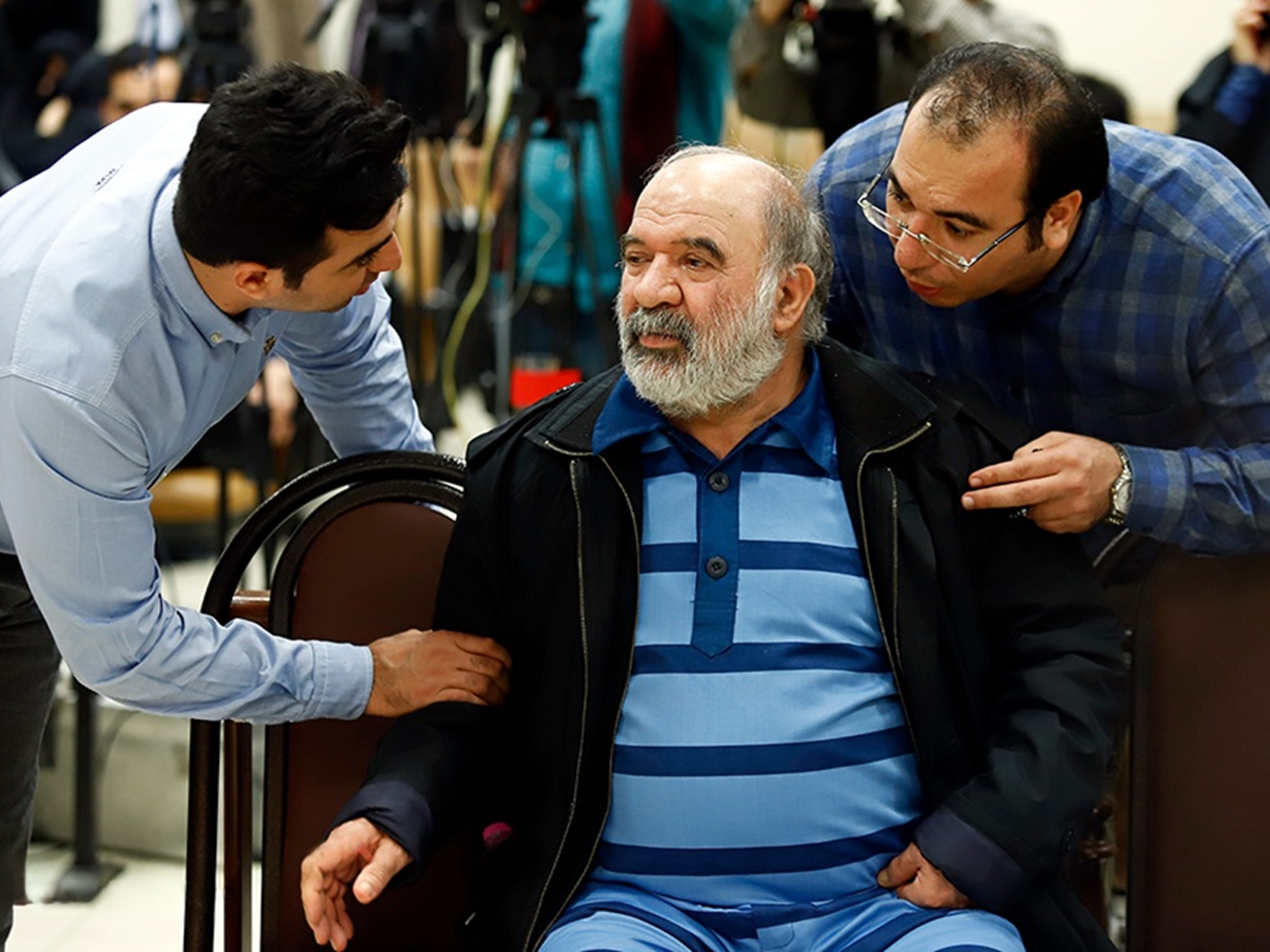
Just months after taking ownership, Farrokhzad was arrested on August 21, 2018, on charges of disrupting the country's currency and monetary system. He was prosecuted in December of that year. The prosecutor-general personally referred to him as the "Sultan of Forex," the largest individual recipient of loans from Iran's banking system and the largest currency fraudster in recent years, having received nearly half a billion dollars in government currency through multiple counts of document forgery.
At trial, Farrokhzad was charged with conspiracy to disrupt the national currency system through organized, large-scale forex smuggling. The prosecutor's representative detailed how the primary defendant, in cooperation with other accused individuals, forged documents to fraudulently obtain $320 million in a single phase in the current year alone, sold it at vastly inflated prices, engaged in illegitimate wealth accumulation, and imported no goods whatsoever.
Farrokhzad's courtroom demeanor was notable. Outside the proceedings, during his years of free access to government subsidies, he was clean-shaven and wore suits. In court, he appeared with a long, unkempt beard before cameras and journalists, projecting an image of pious simplicity. When questioned about his operations, he often deflected responsibility onto the government, claiming all his actions had official approval. At one point, he declared, "I was the government's donkey," implying he was merely a tool of state officials.
When asked about specific transactions, he either refused to answer or gave evasive replies. The judge admonished him not to feign ignorance. Farrokhzad admitted to holding 25 bank accounts at Melli Bank alone, with a cumulative turnover of 2,500 billion tomans. In September 2020, he was convicted of conspiracy to disrupt the national currency system and sentenced to 20 years in prison, payment of cash fines, and confiscation of discovered currency holdings.
Farrokhzad's case implicates not just individual enablers but entire institutional structures. His fraud required the active cooperation or negligent complicity of multiple state entities. The Central Bank allocated hundreds of millions of dollars based on forged documents without adequate verification. Commercial banks processed enormous transactions without scrutiny. Customs never verified that imports corresponding to currency allocations actually occurred. The Anti-Money Laundering Council failed to flag the transfer of 14,500 billion tomans in a single day. The Ministry of Economy and the Trade Development Organization issued permits and authorizations without meaningful oversight.
The involvement of Timur Ameri, a former Central Bank security manager, highlights how insider networks facilitated fraud. Ameri's post-retirement influence at the Central Bank allowed him to bypass controls and produce convincing forgeries. His two sons assisted in the operation, creating a family enterprise dedicated to document fabrication. That such a network operated for years, processing hundreds of millions of dollars in fraudulent transactions, without detection or intervention, reveals either catastrophic incompetence or deliberate enabling by officials.
Moreover, the ease with which Farrokhzad acquired Tabriz Machine Manufacturing, a major state-owned industrial complex, without competitive bidding or meaningful due diligence, suggests collusion at high levels. The Privatization Organization, operating under the Ministry of Economy during the Rouhani administration, transferred the asset at a below-market price to a buyer with no industrial qualifications and whose wealth derived from theft. No investigation was conducted into the source of Farrokhzad's funds before the sale.
The judicial outcome, while technically punitive, proved hollow. Farrokhzad was sentenced to 20 years and ordered to repay stolen funds. Yet according to multiple political activists and reports, Farrokhzad does not languish in prison. He allegedly resides comfortably in Tbilisi, Georgia, living out his later years in freedom. The stolen funds have never been recovered. The assets purchased with illicit proceeds remain beyond the reach of Iranian authorities. The sentence, like so many in the Islamic Republic's corruption cases, served as public theater rather than genuine accountability.
In 2018, at the height of Farrokhzad's fraud, Iran faced severe foreign exchange shortages due to renewed U.S. sanctions. The Rouhani government rationed subsidized currency, prioritizing essential imports like medicine, food, and industrial inputs. Legitimate businesses, including manufacturers desperately needing raw materials and importers contracted to bring in vital goods, struggled to obtain even modest allocations. Many shut down. Workers were laid off. Production stalled. Inflation soared as the rial collapsed on the open market.
In this context, Farrokhzad's theft was not a victimless financial crime. The nearly $500 million diverted into his pockets and those of his enablers represented resources that could have supported critical imports, stabilized the currency, or funded social programs. Instead, it financed gold ingots, land speculation, factory acquisitions, and ultimately a comfortable exile. For ordinary Iranians enduring economic hardship, the spectacle of a barely literate conman looting the banking system while officials either looked away or actively assisted him epitomized the regime's corruption.
The Tabriz Machine Manufacturing Company, already in decline, gained nothing from Farrokhzad's ownership. Workers saw no revival in their fortunes. Production did not increase. The company became another trophy acquired with stolen money by someone incapable of managing it, a symbol of how privatization in the Islamic Republic often meant transferring state assets to connected insiders rather than competent operators.
Farrokhzad's case also illuminates the deeper rot in Iran's economic governance. The mechanisms meant to prevent fraud, monitor currency flows, verify imports, and hold violators accountable all failed simultaneously. This was not an isolated lapse but a systemic breakdown, enabled by networks of complicit officials, inadequate oversight, and a culture of impunity for well-connected offenders. When the fraud was finally exposed, prosecution followed, but punishment was symbolic. The real perpetrators, those within state institutions who facilitated and profited from Farrokhzad's scheme, faced no consequences.
The Islamic Republic's handling of major corruption cases follows a pattern: public outrage, arrest of a scapegoat, a well-publicized trial, a severe sentence, and then quiet non-enforcement. Farrokhzad, like many before him, may have been convicted, but he was not truly punished. The funds were not recovered. The enablers were not prosecuted. The system was not reformed. And so the cycle continues, with the next Farrokhzad already at work, exploiting the same networks, the same complicity, the same impunity, looting the nation's wealth while the institutions meant to protect it stand idle or actively assist.