Summary
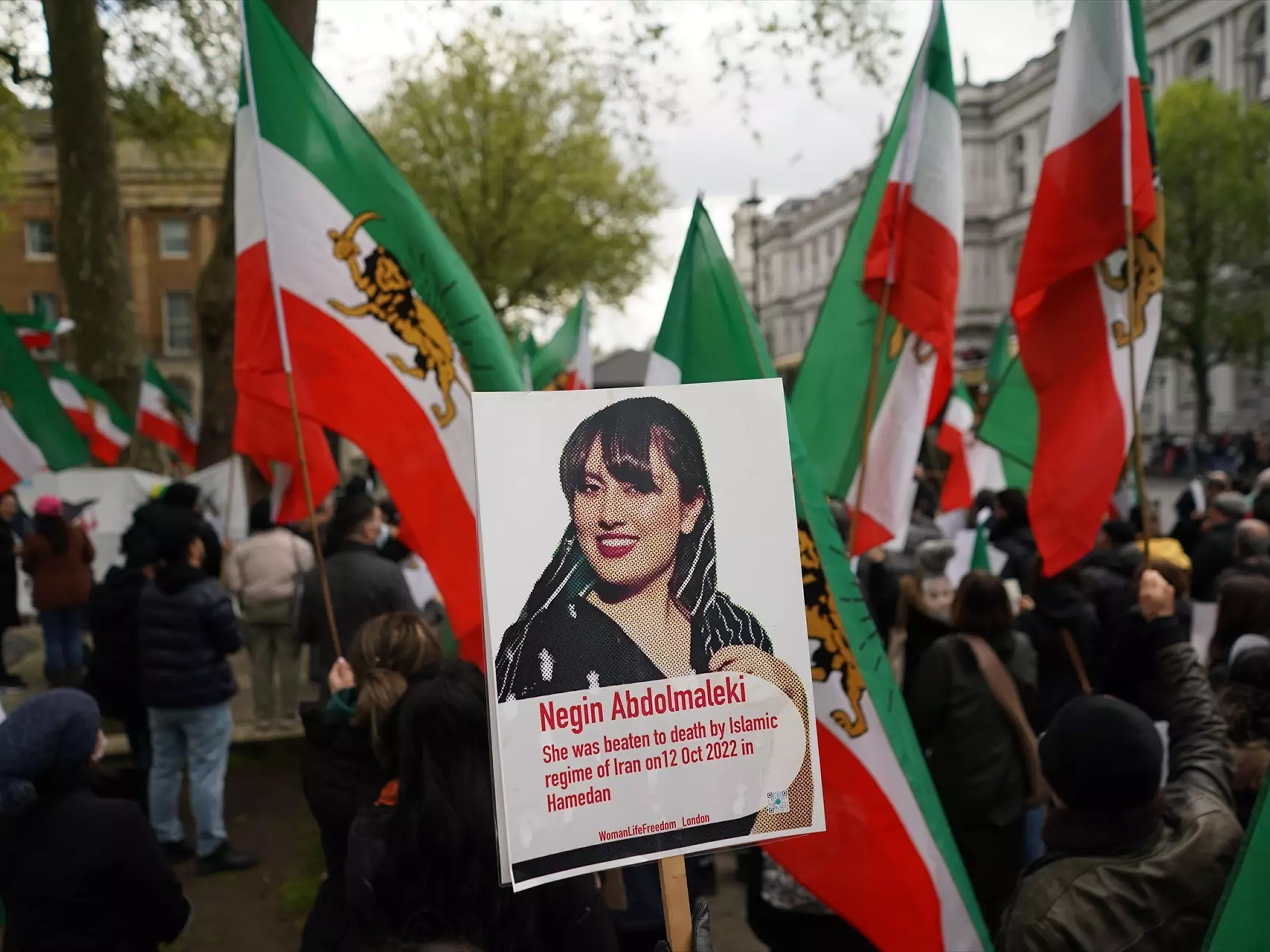
The death of Negin Abdolmaleki, a 21-year-old Kurdish student at the Hamedan University of Technology, became a significant case during the 2022 protest movement. While authorities attributed her death to food poisoning, witness accounts and internal sources describe a different sequence of events involving alleged violence by security-linked individuals.
Based on the available information, this report examines claims that she was subjected to multiple blows to the head and that information surrounding her death was later suppressed. Sources have also identified an IRGC intelligence operative as a possible participant, although individual responsibility has not been independently established.
A Promising Life Cut Short by Protest
She came from a Sunni Kurdish family in Qorveh and became active in campus demonstrations during the nationwide protests that began in September 2022. She helped organize materials and mobilize other students at a time of growing tension between protesters and security forces, acting as leader/semi-leader.
The Fatal Night
On the evening of October 12, 2022, according to eyewitnesses and internal sources, three individuals surrounded her near a sedan reportedly associated with security or plainclothes forces. Sources allege that she was beaten at the scene and subjected to multiple blows to the head. Hours later, she was taken to a hospital in Hamedan from her university dormitory. A doctor told that she had died from internal bleeding caused by severe head injuries consistent with repeated blows. She was pronounced dead in the early hours of October 13.
Contradictory Accounts
According to sources, the initial medical findings were allegedly suppressed later. Several explanations for her death subsequently circulated, including that she had fallen during the protests or died from food poisoning after eating spoiled canned tuna. Her friends disputed the food-poisoning account, saying she had not eaten dinner that night. The final official cause of death was reportedly recorded as "food poisoning," without reference to the alleged multiple blows to her head. Sources also allege that relevant security-camera footage was erased and that her family faced threats when seeking further answers.
A Possible Suspect Identified by Sources
Information gathered through internal sources has pointed to Mohammad Reza Azimi Zaeem, described by those sources as an Basij/IRGC operative, as a possible participant in the incident. Several sources allege that he was present during the events surrounding her death and may have played a significant role. He was reportedly known by the nickname "Baton-in-Hand" because of his conduct during protest suppression. His identification is based on available source accounts and IranLeaks' OSINT methods, and has not been confirmed through a judicial process.
Pressure on the Family
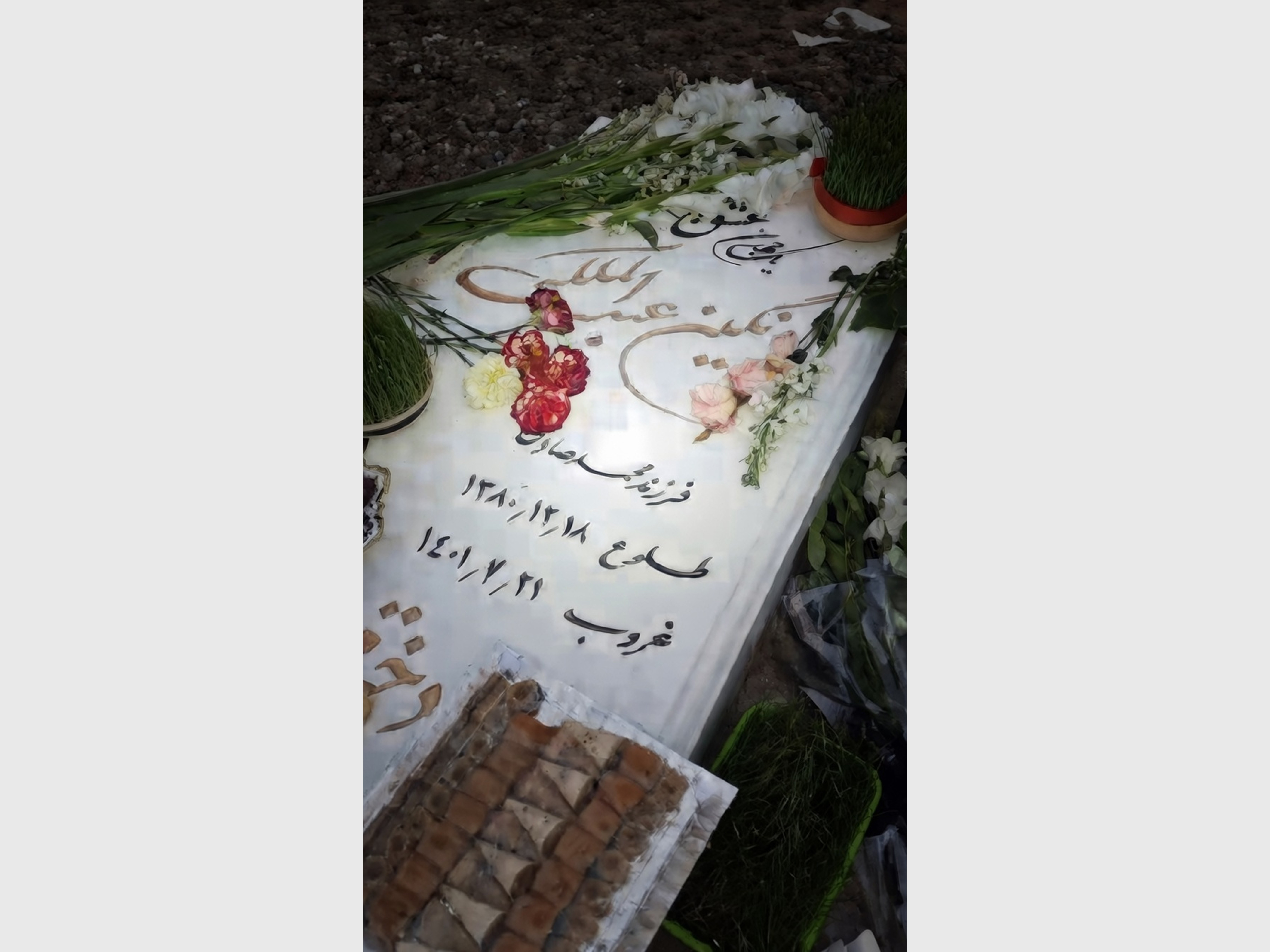
Security forces reportedly imposed restrictions on her funeral in Qorveh. A memorial held on the 40th day of her death was reportedly dispersed and Attempts to obtain further information were allegedly met with intimidation and pressure, leaving major questions about the circumstances of her death unresolved.
Conclusion
The available accounts raise serious questions about her death and the handling of the case that followed. Witnesses and internal sources describe alleged repeated blows to the head, conflicting official explanations, pressure on people close to her, and the possible destruction or suppression of evidence.
Sources have identified Mohammad Reza Azimi Zaeem as a possible participant. Establishing individual responsibility would require access to medical records, witnesses, surveillance footage, and official documents, much of which has reportedly been withheld or suppressed by Iranian regime.
As in many other cases involving protesters killed during the Woman, Life, Freedom uprising, the authorities have been accused of intimidating witnesses, suppressing evidence, and preventing independent scrutiny. Rather than allowing a transparent investigation, the circumstances surrounding her death were concealed and the case was subjected to the same pattern of suppression seen in numerous other cases involving protesters.