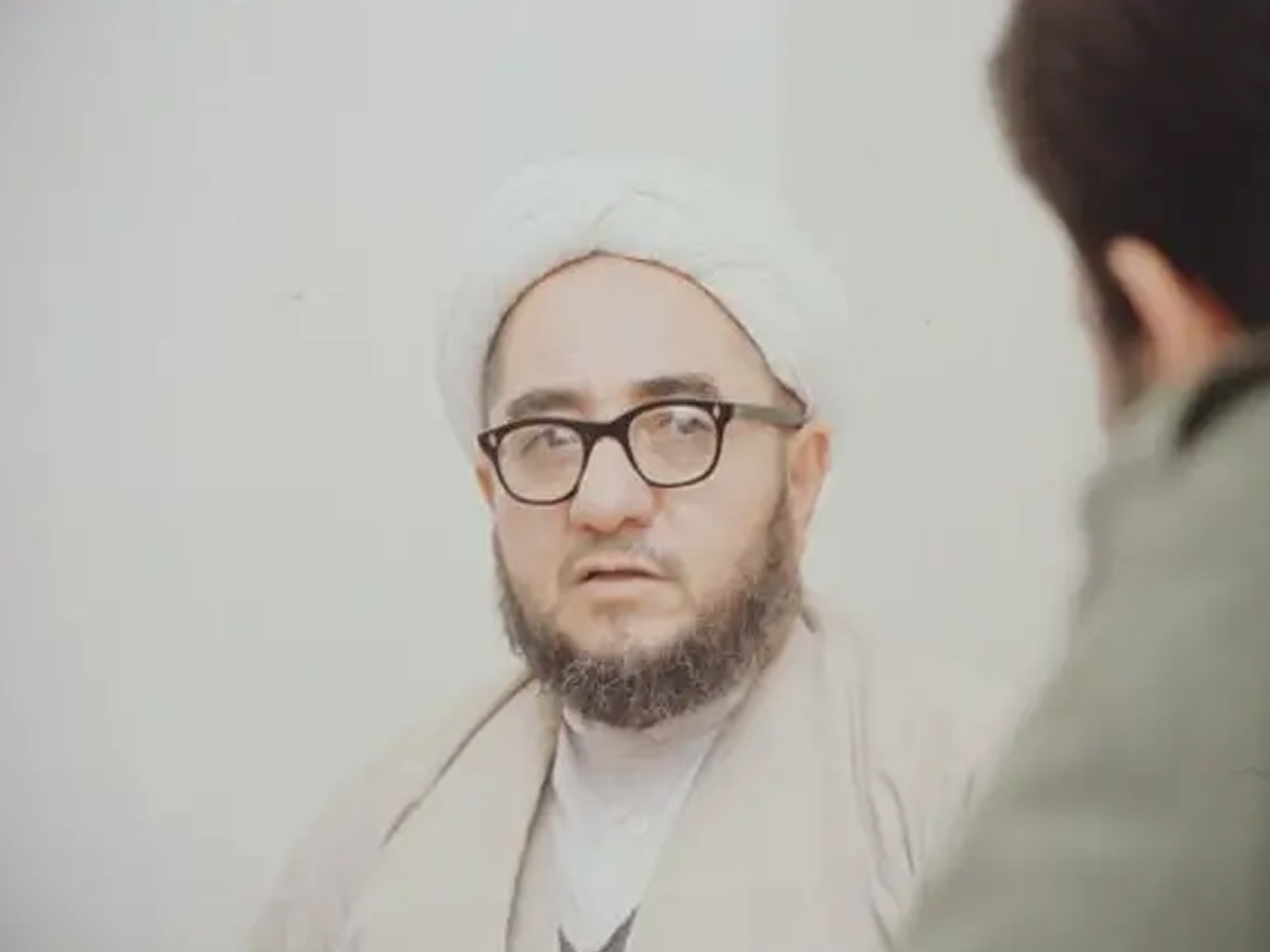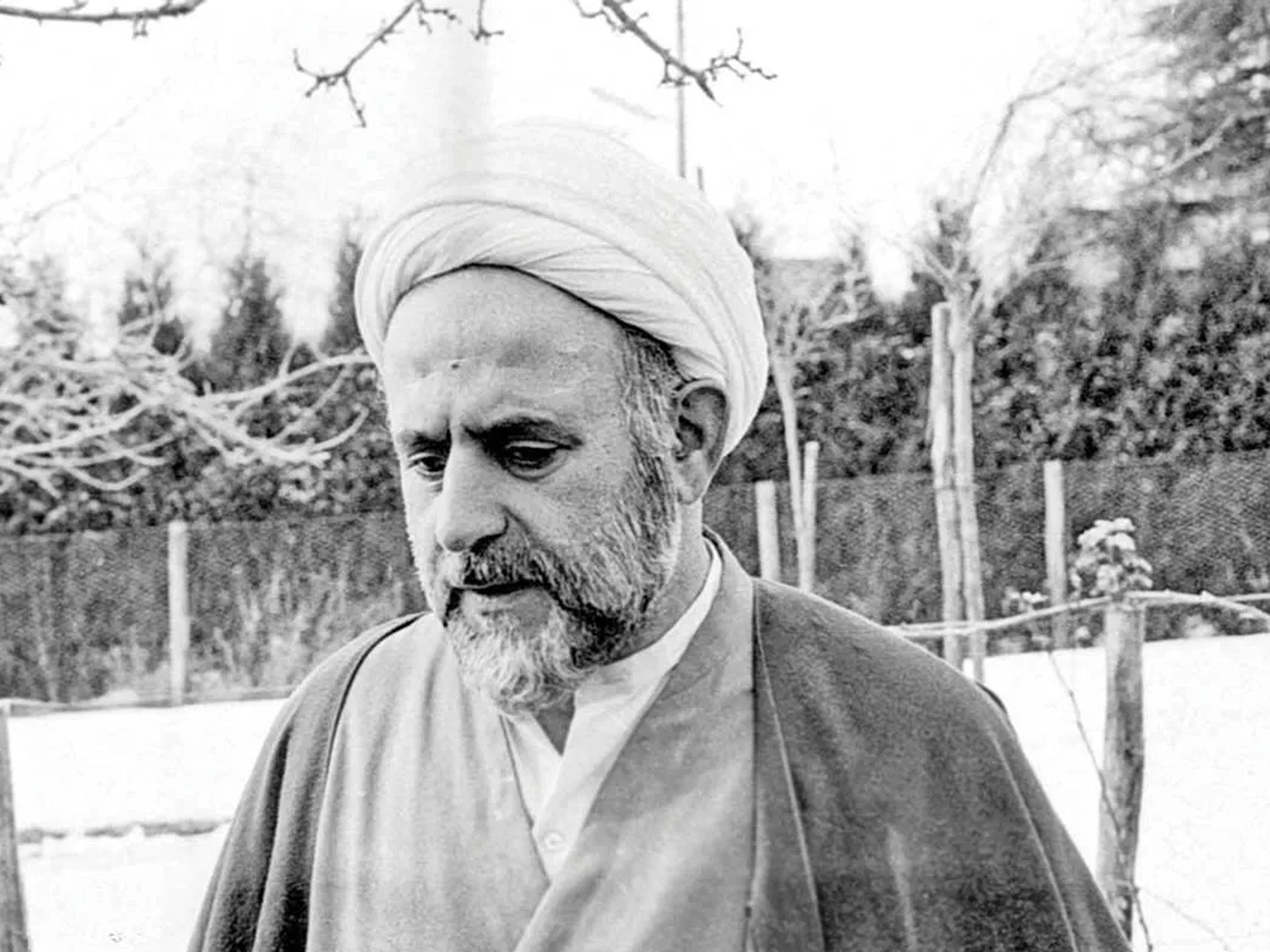




The Bazghandi File: Inside the IRGC's Run of Failed Foreign Assassinations
An investigation into a series of botched overseas plots directed by senior IRGC intelligence commander Ruhollah Bazghandi.
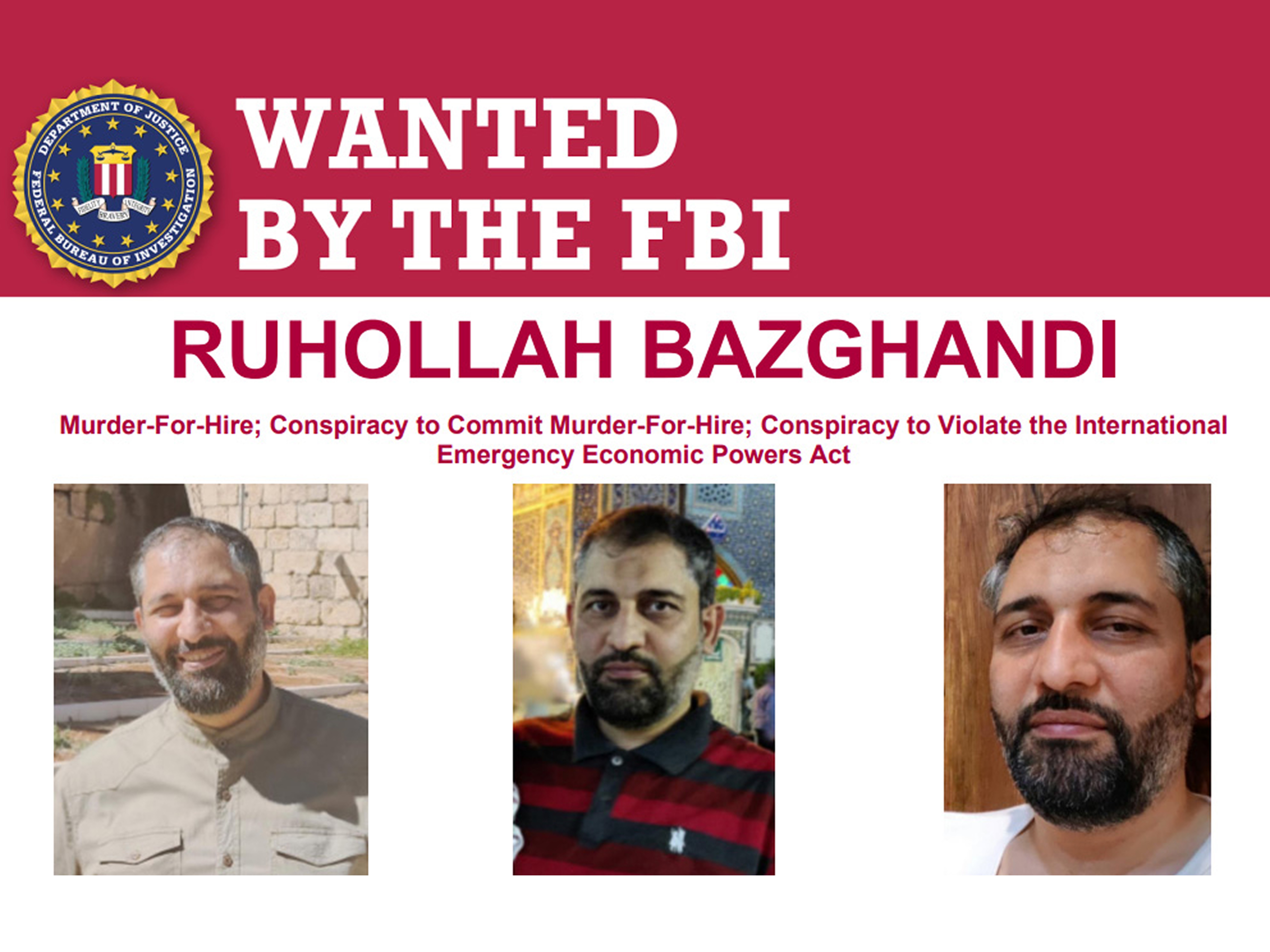
This investigation reveals a pattern of operational failures within the overseas assassination and kidnapping units of the Islamic Revolutionary Guard Corps (IRGC), spearheaded by a shadowy deputy intelligence commander, Ruhollah Bazghandi. Based on detailed accounts from within the security apparatus and corroborated by international court records and intelligence disclosures, the report traces a succession of botched missions in 2022 targeting Israeli tourists in Istanbul and a dissident journalist in New York. These failures, characterized by the use of non-professional assets, poor tradecraft, and apparent penetration by foreign intelligence services, culminated in a major diplomatic scandal with Turkey, the U.S. indictment of Bazghandi, and a sweeping purge at the top of the IRGC's intelligence organization. The episodes expose not only specific operational incompetence but also systemic vulnerabilities and strategic overreach within the Islamic Republic's most powerful security institution.
In June 2022, shortly after the assassination of senior IRGC Quds Force commander Hassan Sayyad Khodaei in Tehran, the IRGC’s intelligence arm, under the command of then-chief Hossein Taeb, sought swift retaliation. According to intelligence sources, the task was assigned to Ruhollah Bazghandi, deputy for counter-intelligence in the IRGC Intelligence Organization (Unit 1500). His mandate was to strike Israeli targets, but operational limitations made direct attacks within Israel improbable. Instead, the unit set its sights on soft targets: Israeli tourists in Istanbul, Turkey.
The plan allegedly involved an eight-person cell—five Iranians and three Turks—tasked with tracking and attacking tourists. Their specific targets reportedly included a former Israeli consul, Yosef Levi Sifri, and several female tourists. The cell members entered Turkey using Tajikistani passports and conducted surveillance on potential victims at airports, hotels, and shopping centers. However, their activities drew the attention of Turkey's National Intelligence Organization (MIT), which was reportedly cooperating with Israel's Mossad. On June 13, Mossad operatives intercepted a married Israeli couple in Istanbul, warning them not to return to their hotel where assassins lay in wait, and spirited them out of the country. The Israeli government issued a travel warning.
Days later, on June 23, Turkish police moved to dismantle the network. Raids in Istanbul's Beyoglu district led to the arrest of the cell members. One Iranian agent was reportedly caught earlier with weapons and silencers, allegedly attempting to abduct the Israeli couple. The plot's failure became a public relations disaster. Then-Israeli Foreign Minister Yair Lapid publicly thanked Turkish authorities, while Ankara warned it would not tolerate terrorist activities on its soil. The Islamic Republic's foreign ministry dismissed the allegations as "baseless," claiming they were designed to damage Iran-Turkey relations.
The Istanbul debacle was not an isolated incident but part of a string of failures linked to Bazghandi's command and the IRGC's overseas Special Operations unit (Unit 4000). According to a former high-ranking IRGC official cited in the reports, Bazghandi's use of "non-professional" forces for complex foreign operations inflicted severe damage on the organization's capabilities.
The New York Conspiracy: In late 2022, Bazghandi allegedly orchestrated a plot to assassinate Masih Alinejad, a New York-based Iranian-American journalist. The operation involved hiring eastern European criminal networks for $500,000. An operative named Khalid Mehdiyev, tasked with surveilling Alinejad and procuring a Kalashnikov, was arrested after acting suspiciously near her home. His subsequent confession led to the arrest of associates Rafat Amirov and Polad Omarov. In March 2025, a U.S. federal court in Manhattan convicted Amirov and Omarov of conspiracy to commit murder-for-hire. The U.S. Department of Justice subsequently indicted Ruhollah Bazghandi and three other Iranian officials for orchestrating the plot, marking the first such indictment against a sitting senior IRGC intelligence commander.
Earlier Turkish Operations: The transcripts suggest Bazghandi's network was active in Turkey months before the Istanbul tourist plot. In February 2022, Turkish police arrested 17 individuals for allegedly attempting to kidnap a former Iranian military official. The next day, eight more were arrested for plotting to assassinate a prominent Turkish-Israeli businessman, Yair Geller, owner of a defense subcontractor company that worked on F-35 fighter jet parts. That plot was also thwarted by MIT and Mossad cooperation.
Internal Blowback and Purge: The cumulative weight of these failures, compounded by other significant security breaches such as the assassinations of nuclear scientist Mohsen Fakhrizadeh and Quds Force commander Qasem Soleimani during Taeb's tenure, led to intense internal criticism. According to sources, Bazghandi's actions, which diverted Unit 1500 from its core counter-intelligence mission of protecting the regime inside Iran, angered other senior IRGC commanders. The fallout was swift. On June 23, 2022—the very day the Istanbul cell was rolled up—Hossein Taeb was suddenly removed after 13 years as head of the IRGC Intelligence Organization. He was given a ceremonial advisory role. Bazghandi is also believed to have been sidelined from his position, though his current status is unclear. He remains under indictment by U.S. authorities.
The operational failures detailed in these accounts point to deeper structural issues within the IRGC's intelligence apparatus. The organization, which grew into a parallel and dominant security entity under Taeb, is described as being rife with corruption and vulnerable to penetration. The testimony of Reza Golpour, a once hardline Iranian political prisoner, alleged financial and moral corruption within the intelligence organization and highlighted Bazghandi's role as Taeb's "fixer" for sensitive missions.
Furthermore, the reports implicate other senior figures in the chain of failure. Reza Saraj, former head of Unit 4000 (Special Operations), was reportedly removed after a failed attack on Israeli targets in Cyprus. His successor, Mostafa Javad Ghafari, a senior Iranian militia commander expelled from Syria by the Assad government, allegedly presided over nine months of failed operations against Israeli targets before being reassigned.
The diplomatic cost has been significant. The Istanbul plot severely strained relations with Turkey, a crucial neighbor. In a stark reversal, Turkey and Israel moved to re-open embassies shortly after the incident, signaling a strategic setback for Tehran. The U.S. indictments have further internationalized the consequences, placing named officials at risk of arrest abroad.
The chronicle of failed missions directed by Ruhollah Bazghandi is more than a story of intelligence incompetence. It is a case study in the strategic paradox of the Islamic Republic's security state. A institution built for internal suppression and regional proxy warfare has repeatedly stumbled when attempting direct, deniable kinetic operations in third countries against adversaries with sophisticated intelligence capabilities.
The pattern reveals a system that often prioritizes ideological loyalty and retaliatory impulse over professional tradecraft, leading to the employment of poorly vetted assets. It also suggests the organization may be compromised at a level that allows adversaries to anticipate or disrupt its plans. The removal of Taeb and the sidelining of Bazghandi were damage control measures, but they do not address the underlying vulnerabilities: a sprawling security bureaucracy engaged in overextension, potentially plagued by corruption, and locked in a shadow war where it has recently suffered a series of very public defeats. These failures have not only wasted resources and cost diplomatic capital but have also exposed the limits of the regime's ability to project power through covert action beyond its immediate sphere of influence.