

The Tehran Eye: Inside Iran's New Surveillance Network
A covert network of advanced Chinese cameras is tracking every movement in Tehran, merging facial recognition with phone geolocation data.
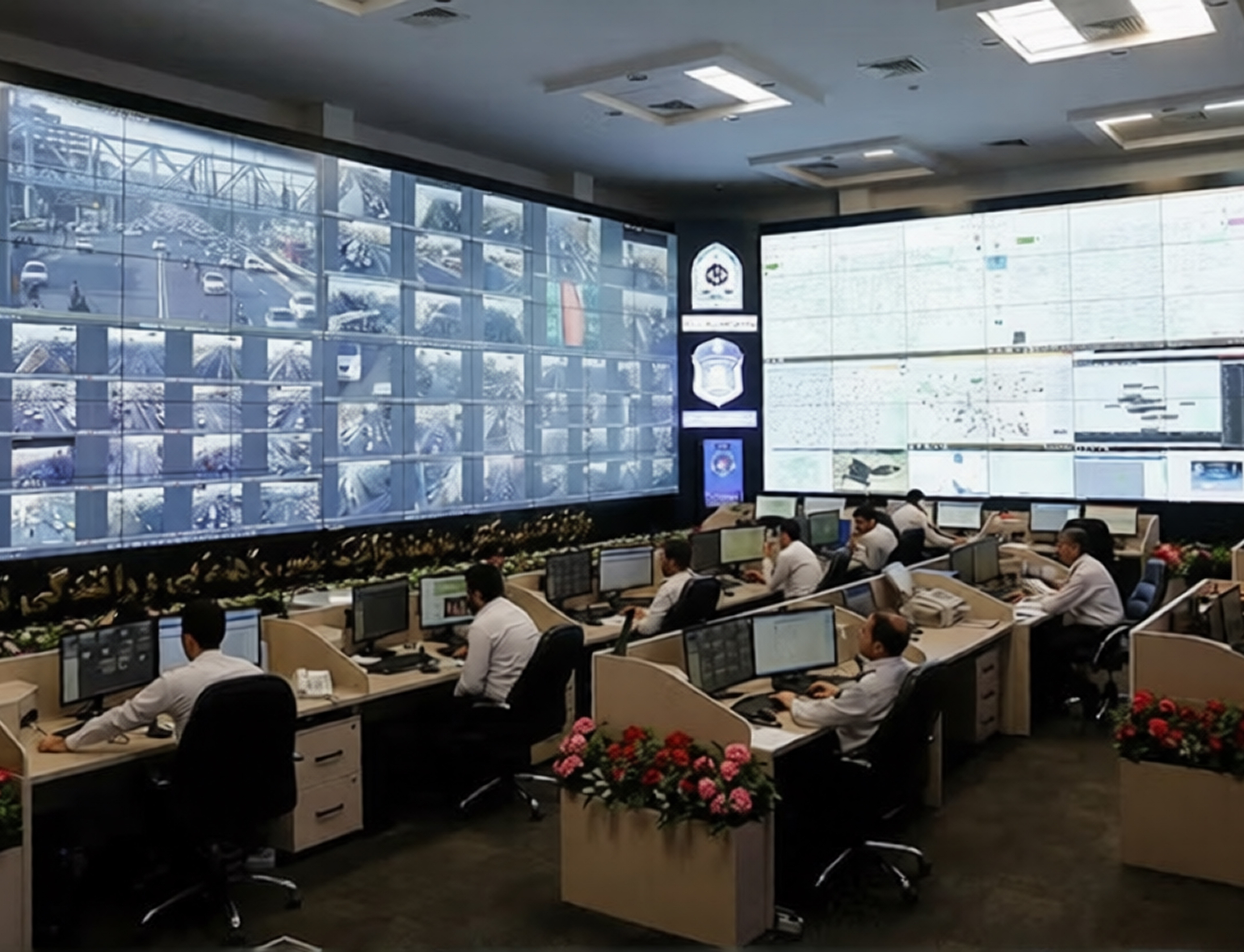
A sophisticated and rapidly expanding surveillance grid is being quietly installed across Tehran. This network, centered on advanced Hikvision cameras concealed beneath pedestrian bridges, is designed to capture simultaneous facial and license plate data. Integrated with the telecommunications system, it allows authorities to cross-reference a person's image with the geolocation of their mobile phone, effectively creating a digital shadow for every citizen passing through monitored zones. This investigation details the system's architecture, its operational methods, and the implications for a population already living under stringent controls.
According to information obtained from a source with direct knowledge of the project, Iranian authorities began a silent overhaul of urban surveillance capabilities in recent months. The centerpiece of this upgrade is the installation of thousands of high-definition cameras manufactured by the Chinese firm Hikvision, a global leader in surveillance technology known for its advanced facial and object recognition software.
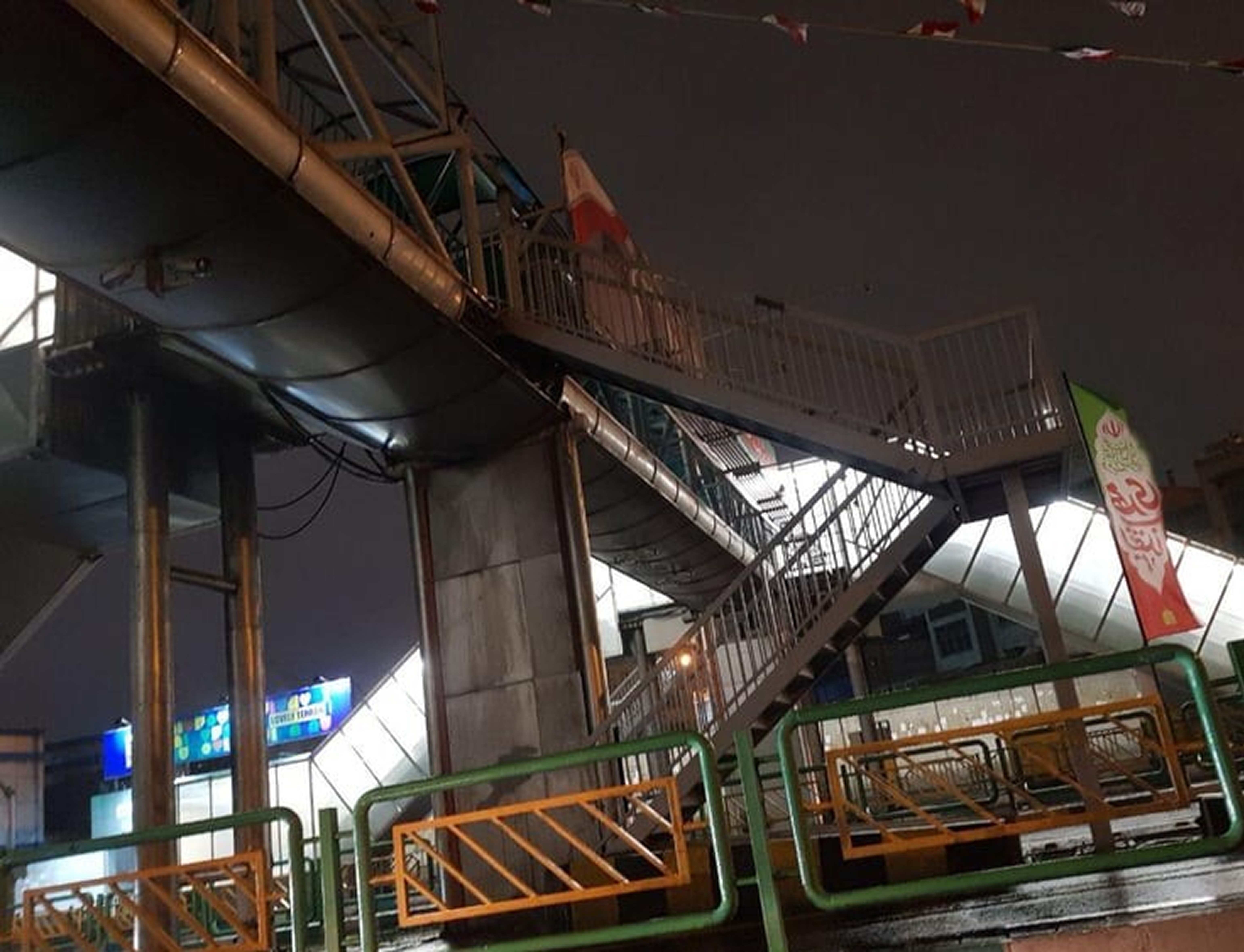
The deployment is characterized by its deliberate invisibility. The cameras are not mounted on conspicuous poles but are carefully hidden under the canopies of pedestrian overpasses, giving them a clear, unobstructed view of traffic and foot traffic while remaining largely unnoticed by the public. The primary axis of this first phase is one of Tehran's busiest thoroughfares, stretching from Enghelab Street to Azadi Street. Nearly every pedestrian bridge along this corridor has been equipped, transforming it into a high-definition surveillance corridor.
The project's rollout began at a strategic node: the pedestrian bridge near Imam Hossein Square metro station, a major transport hub. From there, it has expanded methodically. Maintenance of the network is handled with the same clandestine approach. Teams in unmarked vehicles, equipped with hydraulic lifts, are observed servicing the cameras, particularly in the days leading up to major state-sponsored events. These crews display no official insignia or organizational markings, offering no indication of their purpose to the public.
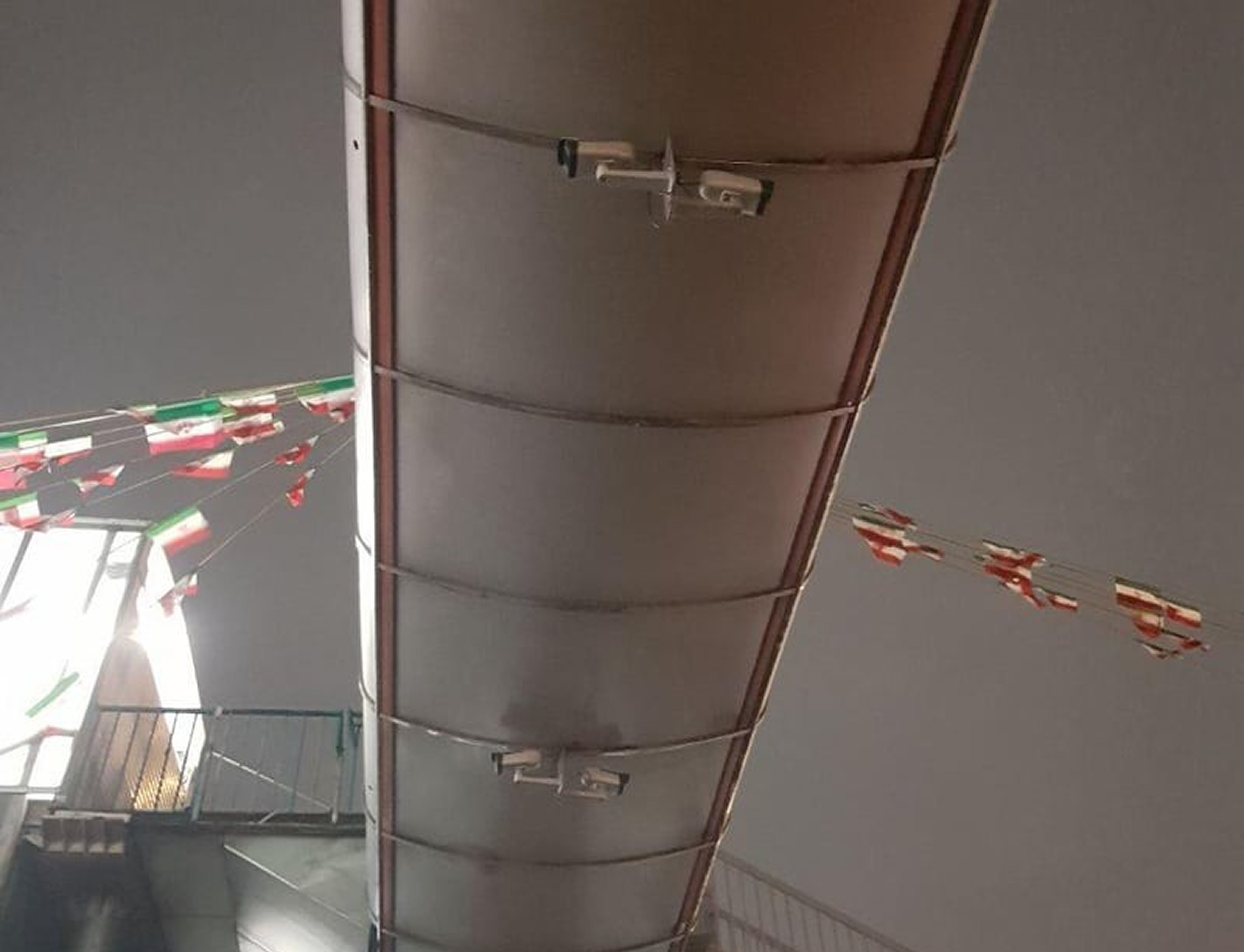
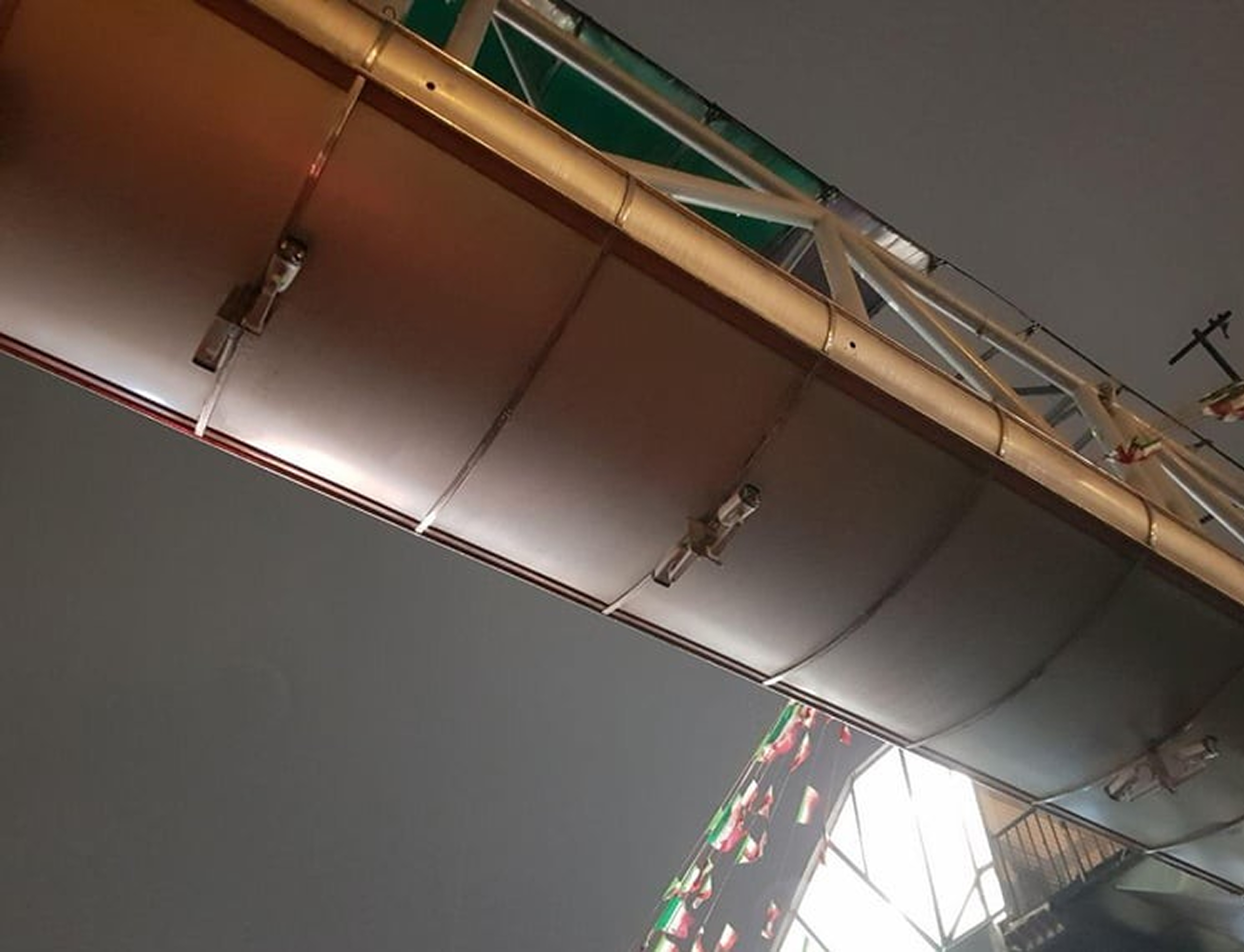
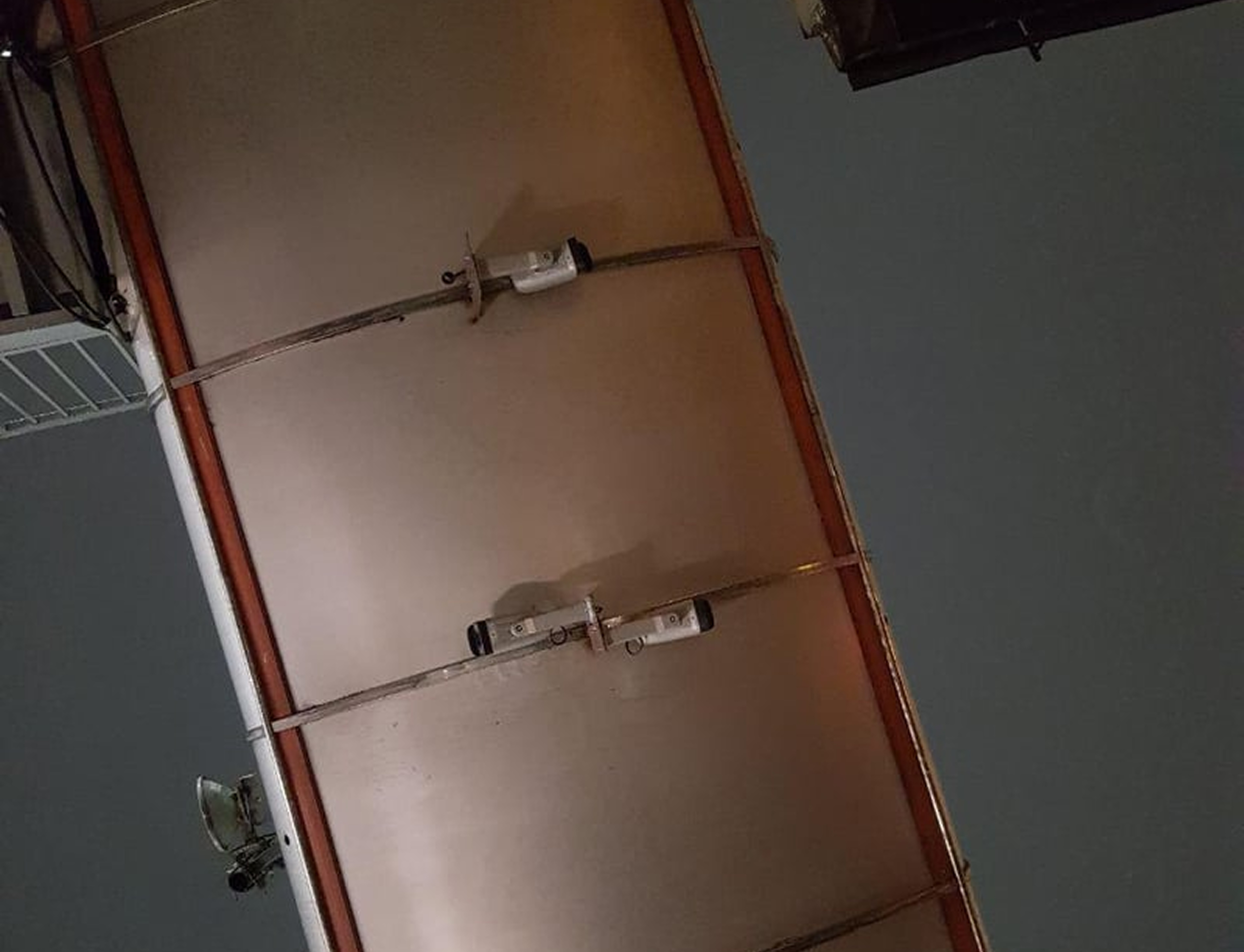
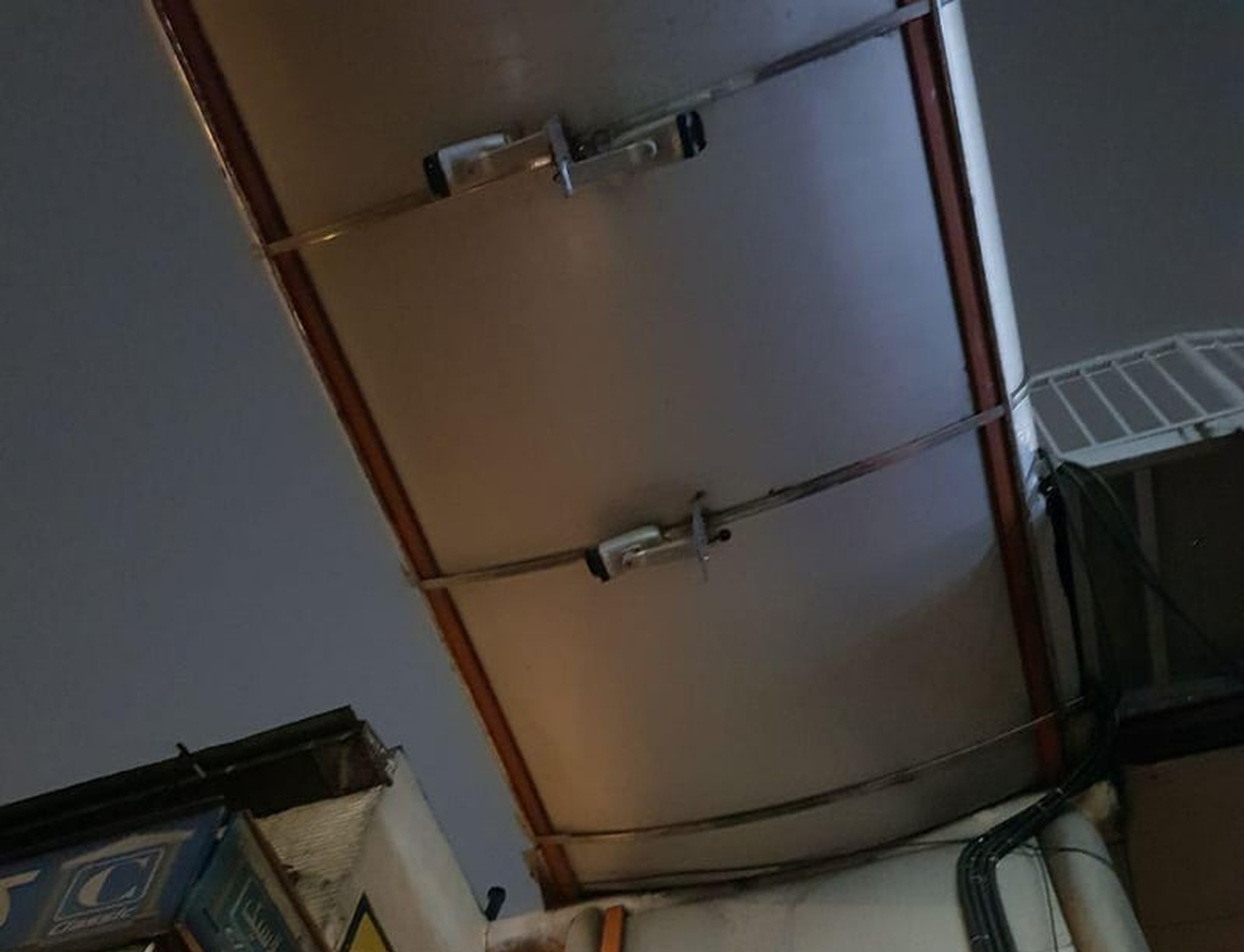
The system's power lies not just in its ability to capture images, but in its integration with Iran's telecommunications infrastructure. The cameras themselves are capable of dual-stream processing: they can scan a vehicle's license plate while simultaneously isolating and recording the faces of pedestrians and drivers.
However, the true innovation in surveillance is the network's connection to local telecommunications towers (Base Transceiver Stations, or BTS). As a person passes through a camera's field of view, their image is captured. At the same moment, the system can query the local BTS towers to identify all active SIM cards and mobile devices in that immediate vicinity. By correlating the timestamp of the image with the geolocation data of nearby phones, authorities can effectively attach a digital identifier, a phone number, to a specific face or vehicle.
This data is not transient. Information gathered from these intersections is stored for extended periods within the telecommunications system's servers, creating a searchable database of movement. This allows security forces to reconstruct an individual's path through the city, identify their associates, and monitor their habits retroactively. The integration of these two data streams turns a simple photograph into a powerful tool for tracking, turning every citizen carrying a mobile phone into a continuously broadcasting beacon.
The purpose of this network extends far beyond traffic management or crime prevention. The stated intent, as confirmed by internal sources, is to enforce social and political mandates. One of its primary functions is to identify "improper hijab" inside private vehicles. By capturing clear images through windshields, the system can flag vehicles where female passengers are deemed to be in violation of the dress code. This license plate data, combined with the facial recognition of the driver and passengers, provides a direct pathway to identification and arrest.
This represents a qualitative shift in enforcement. Previously, morality patrols relied on physical presence and random checks. This new system allows for mass, automated surveillance, creating a permanent record of every journey. The source warns that a lack of caution in these areas can lead directly to detention. The network transforms the act of simply moving through the city into a potential liability, where a routine commute can generate the evidence needed for prosecution.
Beyond the specific issue of the hijab, the system's architecture reveals a deeper logic of total population control. It is designed to eliminate anonymity. By linking a person's physical presence to their digital footprint, it creates an environment of pervasive watchfulness, encouraging self-censorship and deterring any form of unauthorized assembly or movement. The very act of being present in a public space becomes a data point in a comprehensive system of social management.
In response to this escalating surveillance, digital security experts and activists have begun to disseminate a range of countermeasures aimed at preserving a degree of privacy. These strategies, however, underscore the asymmetry of the conflict between the individual and the state.
For mobile communications, the recommendations are stark. The use of temporary or "burner" SIM cards is strongly advised. These cards, ideally registered under a name other than the user's, are to be used exclusively for short periods when transiting known surveillance corridors. Experts also stress the importance of disabling all wireless communications. Simply turning a phone off is insufficient; the device must be powered down completely, with GPS, Bluetooth, NFC, and Wi-Fi all deactivated, as each protocol emits a unique signature that can be potentially tracked.
Physical evasion tactics focus on disrupting facial recognition algorithms. The use of medical masks in combination with large sunglasses is recommended to cover key facial landmarks. Behavioral changes, such as frequently varying travel routes and times to avoid establishing predictable patterns, are also emphasized.
For vehicle owners, methods range from the technological to the improvised. Specialized license plate covers that reflect camera flash are in use, as are anti-photography sprays designed to create a glare on the plate. Experts caution, however, that such methods are of limited effectiveness against advanced systems and can themselves draw attention if not used carefully.
Perhaps the most significant advice relates to digital behavior. Citizens are urged to avoid logging into personal email or social media accounts while in sensitive areas and to refrain from posting real-time locations or photos. For any essential communication, using encrypted messaging applications that offer end-to-end encryption is a necessary, though not absolute, safeguard. Group coordination is also highlighted as a key tactic: avoiding travel through these zones alone and ensuring someone outside the area is aware of one's route. Having an "emergency plan," including apps that can remotely wipe sensitive data, is now considered essential.
The new surveillance network in Tehran is more than a technological upgrade; it is a stark manifestation of the Iranian authorities' conception of governance. It reveals a state that views its citizens not as constituents to be served, but as a population to be monitored, tracked, and controlled. The seamless integration of visual surveillance with telecommunications data creates a new standard for monitoring, one that leaves almost no room for anonymous movement.
This system operates without legal oversight or public debate. Its clandestine installation, the unmarked maintenance crews, and its use in enforcing social codes like the hijab all point to a structure of power that operates outside the bounds of formal accountability. Impunity is not a byproduct but a design feature, embedded in a system that empowers security forces to collect, store, and act upon personal data with no checks or balances.
For the people of Tehran, the message is clear. The public sphere is no longer a shared space but a monitored zone. The network's expansion represents a profound shift in the relationship between the individual and the state, turning every street into a potential crime scene and every citizen into a suspect. While technical countermeasures may offer a temporary shield, they do not address the underlying reality: the construction of a pervasive digital architecture designed to enforce conformity and eliminate dissent, one face, one license plate, one phone signal at a time.